
Choosing the right packaging design can feel overwhelming when you're trying to balance brand identity, consumer appeal, and sales growth. Research shows that well-designed packaging increases sales by 30%, making it one of your most powerful marketing tools. Yet many CPG founders struggle to identify which design strategies will resonate with their target audience while staying true to their brand essence. This article walks you through proven packaging design tips that enhance product appeal and drive measurable results on store shelves.
Table of Contents
- How To Evaluate Packaging Design: Key Criteria
- Top 5 Innovative Packaging Design Tips For Consumer Appeal
- Comparing Packaging Design Approaches: Effectiveness And Pitfalls
- Making The Best Packaging Design Decisions For Your Brand
- Enhance Your Packaging Design With Expert Consulting
- Frequently Asked Questions
Key takeaways
| Point | Details |
|---|---|
| Sales impact | Effective packaging can increase sales up to 30% through strategic design choices |
| Testing reduces risk | Data-driven redesigns minimize the 62% failure rate of untested packaging changes |
| Brand consistency | Respecting brand essence helps maintain customer loyalty during design updates |
| Functional clarity | Highlighting benefits educates buyers and increases perceived product value |
| Consumer validation | Testing with real consumers ensures designs meet buyer expectations before launch |
How to evaluate packaging design: key criteria
Before diving into specific design tips, you need a framework for evaluating which packaging strategies will work for your brand. The most successful CPG founders approach packaging decisions systematically, weighing multiple criteria against their specific market position and customer base.
Brand essence preservation sits at the top of this hierarchy. Your packaging must communicate what makes your brand unique while staying recognizable to existing customers. Packaging acts as a silent salesperson that influences purchasing decisions in those critical seconds when shoppers scan shelves, so every design element should reinforce your core identity.
Consumer appeal drives both impulse purchases and considered buying decisions. Your packaging needs to catch attention in crowded retail environments while communicating value quickly. This means balancing aesthetic impact with messaging clarity, ensuring shoppers immediately understand what your product offers and why they should choose it over competitors.
Functional benefits deserve prominent placement on your packaging. When you educate buyers about specific advantages, whether that's ingredient quality, sustainability features, or usage convenience, you add perceived value that justifies premium pricing. Smart packaging design makes these benefits instantly visible rather than hiding them in small print.
Data-driven testing separates successful redesigns from expensive failures. Consumer feedback collected before full production rollout helps you refine designs based on real preferences rather than assumptions. This validation step reduces the substantial risk that comes with packaging changes.
Your evaluation criteria should include:
- Aesthetic differentiation that makes products stand out
- Messaging clarity that communicates value instantly
- Usability factors like opening mechanisms and storage
- Shelf impact when displayed alongside competitors
- Production feasibility within your budget constraints
"The best packaging designs balance innovation with familiarity, giving customers something fresh while maintaining the brand touchpoints they already trust."
Top 5 innovative packaging design tips for consumer appeal
Now that you understand evaluation criteria, let's explore five proven strategies that CPG brands have used to dramatically increase sales through packaging redesigns. These tips come from real-world successes where strategic redesigns boosted sales 54% to 296% by applying focused design principles.
-
Respect your brand's core identity during updates. Evolution works better than revolution when it comes to packaging changes. Customers need to recognize your product even as you modernize the design. Keep signature colors, logo placement, or distinctive shapes that loyal buyers associate with your brand. This continuity reduces confusion while allowing you to refresh outdated elements.
-
Use consumer testing to validate design decisions. Before committing to production, gather feedback from your target demographic through focus groups, A/B testing, or digital surveys. Show multiple design options and ask specific questions about clarity, appeal, and purchase intent. This data reveals which elements resonate and which create friction in the buying process.
-
Highlight functional and emotional benefits prominently. Your packaging should answer the question "What's in it for me?" within three seconds of visual contact. Use callouts, icons, or strategic text placement to emphasize key benefits like organic ingredients, time-saving features, or environmental responsibility. Make these benefits impossible to miss.
-
Educate customers through intentional design elements. Don't assume shoppers understand your product category or differentiators. Use packaging real estate to teach them why your formulation matters, how to use the product effectively, or what makes your sourcing unique. Educational content builds trust and justifies premium pricing.
-
Focus on differentiation to own your shelf space. Study competitor packaging in your category and identify visual patterns everyone follows. Then deliberately break one or two of those patterns in ways that align with your brand. This could mean unconventional shapes, unexpected color palettes, or unique material choices that make your product the obvious standout.
Pro Tip: Photograph your packaging mockups on actual retail shelves next to competitor products. This simple test reveals whether your design truly stands out or blends into the background noise.
These five strategies work because they address both the rational and emotional factors that drive purchase decisions. Shoppers want products that solve problems, but they also want to feel good about their choices. Packaging that delivers on both dimensions creates the strongest consumer appeal.
Comparing packaging design approaches: effectiveness and pitfalls
Different packaging strategies carry different risk profiles and potential returns. Understanding these tradeoffs helps you choose approaches that match your brand's current position and growth goals.
| Approach | Effectiveness | Common Pitfalls |
|---|---|---|
| Radical redesign | High impact when backed by research | Confuses loyal customers, risks 62% failure rate |
| Incremental updates | Lower risk, maintains recognition | May not create enough differentiation |
| Benefit-focused messaging | Increases perceived value | Can clutter design if poorly executed |
| Premium material upgrade | Justifies higher pricing | Production costs may not align with margins |
| Minimalist simplification | Strong shelf presence | May strip away important information |
Radical redesigns generate the most dramatic results but carry substantial risk. When you completely overhaul packaging, you're essentially asking customers to discover your product again. Some brands successfully use this strategy when repositioning for new markets or demographics, but it requires extensive testing and often a supporting marketing campaign to educate existing buyers about the change.
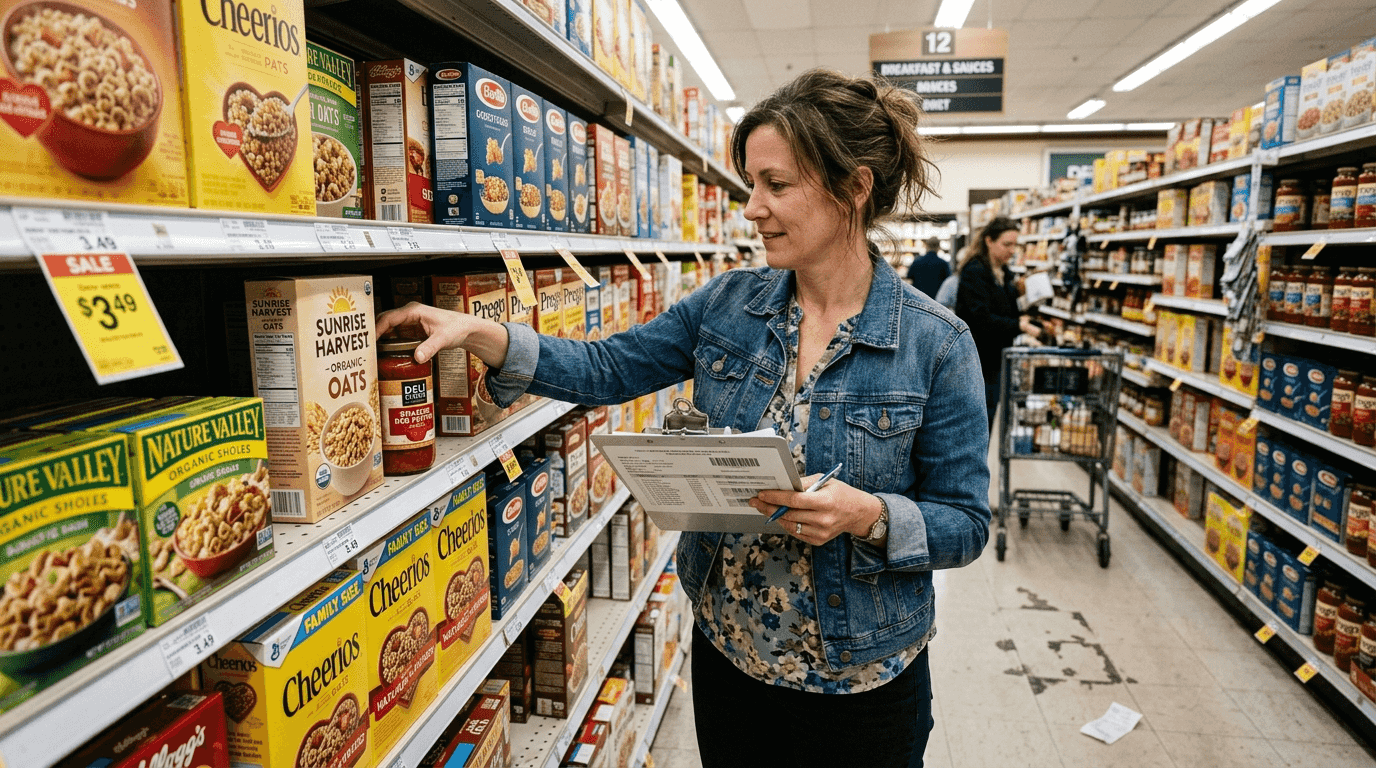
Incremental updates offer a safer path for established brands. You can refresh typography, adjust color saturation, or modernize graphics while keeping core elements intact. This approach works well when your brand already has strong recognition but needs to stay current with design trends. The downside is that subtle changes may not create enough shelf impact to attract new customers.
Benefit-focused messaging transforms packaging into an educational tool. When you clearly communicate functional advantages, you help shoppers make informed decisions quickly. However, cramming too many callouts onto limited space creates visual chaos. The key is prioritizing your top two or three benefits and presenting them with clean, scannable hierarchy.
Premium material upgrades signal quality before customers even touch your product. Textured papers, metallic accents, or sustainable materials create tactile experiences that justify higher price points. Just ensure your production costs still allow for healthy margins, and that the material choice aligns authentically with your brand values.
Minimalist simplification cuts through retail clutter by embracing white space and restrained design elements. This approach works beautifully for premium positioning or when competitors use busy, information-dense packaging. The risk is stripping away so much detail that shoppers can't quickly understand what you're selling or why it matters.
Pro Tip: Create a decision matrix scoring each approach against your specific goals (brand awareness, premium positioning, market expansion) to identify which strategy delivers the highest strategic value.
"The most successful packaging redesigns balance innovation with strategic preservation, changing enough to capture attention while maintaining the brand equity you've already built."
Making the best packaging design decisions for your brand
With evaluation criteria and strategy comparisons in hand, you can now make informed decisions about which packaging approaches fit your specific situation. The right choice depends on your brand maturity, market position, and growth objectives.
Develop a phased testing plan before committing to full production. Start with digital mockups shared with customer panels, then move to physical prototypes tested in simulated retail environments. This staged approach lets you refine designs based on real feedback while controlling costs. Successful redesigns involve testing to validate assumptions before expensive production runs.
Educate consumers proactively when launching new packaging. Use email campaigns, social media, and in-store signage to explain why you've updated the design and what benefits the changes deliver. This communication prevents confusion and turns the packaging update into a positive brand story rather than a potential source of customer frustration.
Prioritize designs that preserve your brand identity while pushing creative boundaries. Map out which visual elements customers most strongly associate with your brand, then treat those as non-negotiable anchors. Everything else becomes fair game for innovation. This framework gives you creative freedom within guardrails that protect brand equity.
Use iterative consumer feedback throughout the design process rather than waiting for a final reveal. Show works in progress to trusted customers and ask specific questions about clarity, appeal, and alignment with their expectations. Early feedback catches problems when they're still easy and inexpensive to fix.
Balance innovation with shelf differentiation by studying your competitive set carefully. Identify visual patterns that define your category, then decide which conventions to respect and which to deliberately break. The most effective packaging stands out while still feeling appropriate for its product category.
Key decision factors to weigh:
- Current brand recognition levels in your target market
- Budget constraints for design development and production
- Timeline pressures from seasonal launches or competitive moves
- Regulatory requirements for labeling and claims
- Distribution channel expectations and display formats
Pro Tip: Run small production batches for regional testing before national rollout. This real-world validation catches issues that controlled testing might miss and builds confidence in your design choices.
Enhance your packaging design with expert consulting
Applying these packaging design tips strategically requires balancing creative vision with market realities. Many CPG founders find that professional guidance accelerates the path from concept to successful launch while avoiding costly missteps.
Offcut connects you with packaging designs that have already proven their creative merit, giving you print-ready concepts at a fraction of traditional agency costs. Instead of starting from scratch or settling for generic templates, you gain access to exclusive designs created by experienced professionals who understand what makes packaging sell. Our platform turns unused creative work into your competitive advantage, delivering the strategic differentiation you need without the typical time and budget constraints. Whether you're launching a new product or refreshing an existing line, expert design resources help you make confident decisions backed by proven creative principles.
Frequently asked questions
What are the most important factors in packaging design?
Brand essence preservation, consumer appeal, functional benefit communication, and data-driven testing form the foundation of effective packaging design. Your packaging should differentiate your product on shelves while maintaining recognizable elements that loyal customers trust. Clear messaging about benefits helps shoppers make quick purchase decisions, and testing with real consumers validates that your design choices resonate with your target market before expensive production commitments.
How can consumer testing improve packaging redesign success?
Testing provides concrete data on consumer preferences, dramatically reducing the risk that comes with packaging changes. When you gather feedback from your target demographic before finalizing designs, you identify which elements create confusion or fail to communicate value. This insight guides refinements that ensure your final packaging meets buyer expectations and drives the sales lift you're targeting. Proper consumer testing prevents the 62% failure rate that plagues untested redesigns.
What packaging design trends should CPG brands watch in 2026?
Sustainability and eco-friendly materials continue dominating consumer preferences as shoppers increasingly factor environmental impact into purchase decisions. Minimalist designs emphasizing clarity help products stand out in cluttered retail environments while communicating premium positioning. Interactive or smart packaging elements, including QR codes linking to product stories or augmented reality experiences, create engagement opportunities that extend beyond the physical shelf.
How long does a typical packaging redesign take?
Most packaging redesigns require three to six months from initial research through final production, though timelines vary based on project complexity and iteration frequency. This period includes consumer research, design development, testing phases, refinement based on feedback, and production setup. Rushing this process increases the risk of launching packaging that misses the mark, while excessive delays can mean missed market opportunities or letting competitors capture shelf presence first.
Should I redesign packaging if sales are currently strong?
Strong current sales don't guarantee future performance, especially as competitors innovate and consumer preferences evolve. Regular packaging refreshes keep your brand feeling current and can attract new customer segments while maintaining loyalty among existing buyers. The key is making strategic updates that enhance rather than disrupt what's already working. Even successful brands benefit from periodic evaluation to ensure their packaging still delivers maximum shelf impact and clearly communicates evolving product benefits.