
TL;DR:
- Packaging finishes include surface treatments that enhance appearance, durability, and brand identity. Choosing the right finish, such as gloss, matte, foil stamping, or Spot UV, aligns with brand positioning and target consumers. Strategic use of contrast and restraint in finishes creates a premium perception that influences purchasing decisions.
Types of packaging finishes are surface treatments and coatings applied to packaging materials to enhance appearance, tactile feel, durability, and brand differentiation. The right finish turns a plain box into a brand statement. With over 21 distinct finishing options available across surface coatings and structural treatments, the choices can feel overwhelming. This guide breaks down the most impactful packaging surface treatments, compares their costs and durability, and tells you exactly which finish fits which brand.
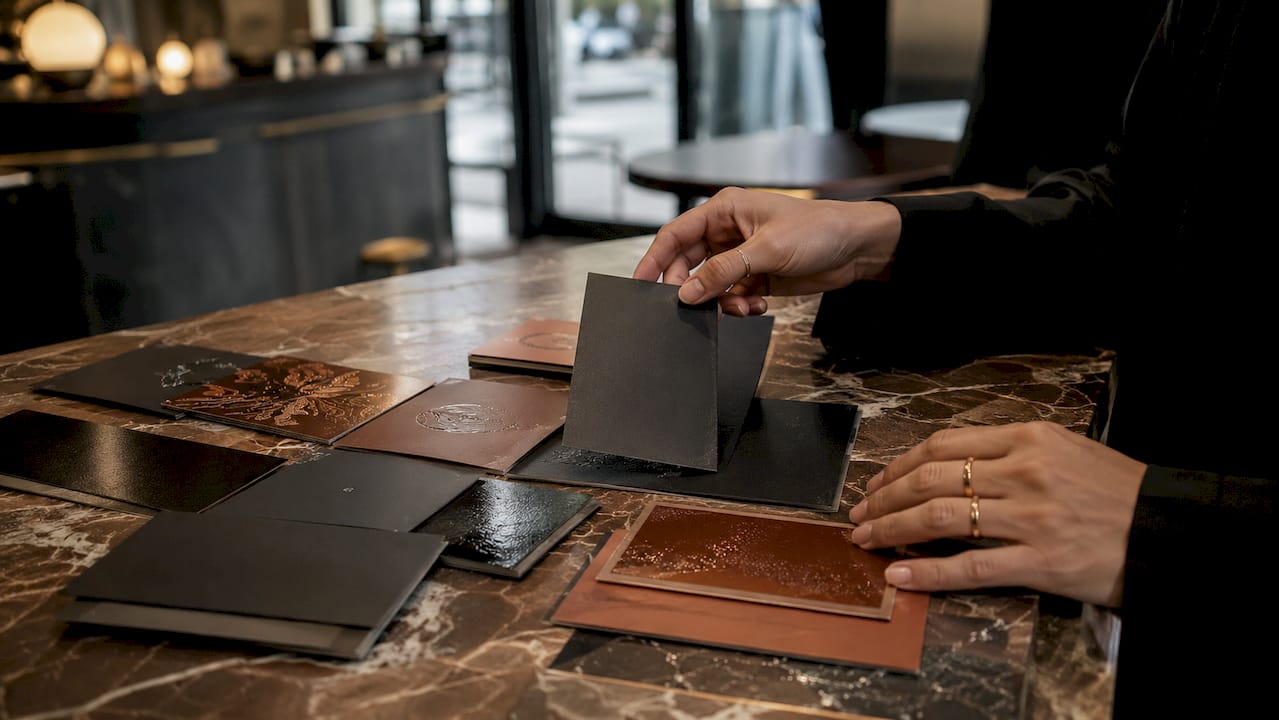
1. types of packaging finishes: the core options
The packaging finish options you choose signal your brand's position before a customer reads a single word. Here is a breakdown of the most widely used finishes, what they deliver, and where they belong.
Gloss lamination
Gloss lamination is the baseline finish for most commercial packaging. It produces a shiny, reflective surface that makes colors appear more saturated and vibrant. Gloss lamination works best for impulse-driven products that need to pop on a crowded shelf. The tradeoff is that gloss finishes highlight fingerprints and scratches more visibly than matte alternatives.
Best for: Snack foods, toys, electronics accessories, and any product competing in a high-traffic retail environment.
Matte lamination
Matte lamination applies a non-reflective coating that gives packaging a softer, more understated look. It mutes colors slightly but maintains a pristine look over the product's shelf life. Matte is the go-to finish for premium and wellness brands that want to project authenticity rather than loudness. It also reduces glare in product photography, making it the preferred choice for e-commerce brands shooting clean, glare-free images.
Best for: Cosmetics, wellness supplements, artisan food products, and DTC brands with strong photography needs.
Soft-touch lamination
Soft-touch lamination creates a velvety, almost rubbery texture that consumers associate with luxury. The tactile experience alone communicates premium quality before the product is even opened. Cost is higher than standard matte, but the perceived value increase is significant for beauty and lifestyle brands. Pairing soft-touch with foil stamping is a proven multi-finish strategy that engages both sight and touch simultaneously.
Best for: Luxury cosmetics, high-end spirits, premium gift packaging, and subscription box brands.
Spot UV
Spot UV applies a glossy, raised coating to specific areas of a matte or uncoated surface. The contrast between the shiny spot and the flat background creates a visual and tactile focal point. It is a mid-range finish in terms of cost, sitting at a cost ratio of 1.3–1.6 relative to standard gloss lamination. Designers use it to highlight logos, product names, or graphic elements without committing to an all-over gloss finish.
Best for: Brand logos, product callouts, and any design element that needs to draw the eye first.
Foil stamping
Foil stamping presses metallic or pigmented foil onto the packaging surface using heat and custom metal dies. The result is a reflective, high-end finish that reads as expensive from across a retail aisle. The cost is significant, with a cost ratio of 2.0–3.0+ relative to gloss lamination, driven largely by the custom die requirement. Gold and silver foils are the most common, but holographic and colored foils are increasingly popular for limited-edition packaging.
Best for: Luxury goods, spirits, jewelry, and any product where premium positioning is non-negotiable.
Embossing and debossing
Embossing raises a design element above the surface of the substrate. Debossing presses it below. Both create a three-dimensional effect that adds tactile depth to logos, patterns, or typography. The cost ratio for embossing runs 1.8–2.5 times that of standard gloss lamination. One critical limitation: embossing can damage the structural integrity of corrugated mailer boxes by crushing internal flutes, so substrate selection matters.
Best for: Rigid boxes, folding cartons, book-style packaging, and any substrate that can handle the pressure without structural compromise.
Holographic and prism finishes
Holographic finishes create a rainbow-shifting, light-reactive surface that grabs attention in any lighting condition. Prism finishes produce a similar effect with a more geometric, faceted pattern. Both are premium options: holographic finishes add approximately 20% to production costs, while prism finishes add approximately 35%. That cost premium is justified for limited editions, collectibles, or any brand that needs to stand out in a visually saturated category.
Best for: Beauty, entertainment, collectibles, and seasonal or limited-edition product lines.
2. comparing packaging finishes: cost, durability, and brand fit
Choosing between different packaging finishes requires weighing cost, durability, and brand alignment together. The table below summarizes the key finishes using 2026 industry pricing guidance.
| Finish | Cost Ratio | Durability | Tactile Feel | Best Brand Fit |
|---|---|---|---|---|
| Gloss Lamination | 1.0 (baseline) | Good, shows marks | Smooth, slick | Mass market, impulse retail |
| Matte Lamination | 1.1–1.3 | Very good, hides scuffs | Soft, flat | Premium, wellness, DTC |
| Soft-Touch Lamination | 1.4–1.7 | Good, prone to oils | Velvety, luxurious | Luxury, beauty, lifestyle |
| Spot UV | 1.3–1.6 | Good on matte base | Raised, contrasting | Brand accents, mid-premium |
| Foil Stamping | 2.0–3.0+ | Excellent when sealed | Smooth, metallic | Luxury, spirits, jewelry |
| Embossing/Debossing | 1.8–2.5 | Substrate-dependent | Raised or recessed | Premium cartons, rigid boxes |
| Holographic/Prism | +20–35% | Good | Reflective, dynamic | Limited editions, beauty |
Gloss finishes resist moisture well, making them a practical choice for products stored in humid environments like bathrooms or kitchens. Matte finishes conceal minor scuffs better, which matters for products that spend weeks on a shelf being handled by customers. For brands that rely heavily on product photography and social media, matte finishes reduce glare and hotspots, producing cleaner images preferred by influencers and e-commerce storefronts.
Pro Tip: If foil stamping is outside your budget, a matte lamination base combined with Spot UV can simulate a luxury aesthetic at a fraction of the cost. The contrast between the flat matte and the reflective UV spot reads as premium without the metal die expense.
3. advanced and specialty finishes brands often miss
The packaging design finishes most brands default to represent only a fraction of what is available. There are specialty packaging surface treatments that deliver outsized impact for the right product category.
- Aqueous varnish is a water-based coating applied over printed surfaces to protect ink and add a subtle sheen. It is one of the most cost-effective protective finishes and is compatible with most substrates, including recycled board.
- Pearlescent coating adds a soft, iridescent shimmer that shifts with light. It works particularly well for beauty and personal care brands that want a premium look without the cost of foil stamping.
- Scented coating embeds fragrance into the packaging surface, releasing a scent when touched or scratched. Fragrance brands, candle companies, and food packaging use this to create a multi-sensory unboxing experience.
- Grit or sand coating applies a textured, granular surface that mimics the feel of sandpaper or stone. It is used in outdoor, tool, and craft product packaging to reinforce a rugged, tactile brand identity.
- Raised UV (also called 3D UV) builds on standard Spot UV by applying multiple layers to create a more pronounced, three-dimensional raised effect. The visual depth is significantly greater than single-pass Spot UV.
One structural consideration worth flagging: heavy embossing can compromise the internal flute structure of corrugated mailer boxes. If you are working with corrugated substrates and want a tactile effect, raised UV or Spot UV are safer alternatives that deliver visual contrast without weakening the box.
Pro Tip: Specialty finishes deliver the highest cost-to-impact ratio when applied selectively. Use a scented coating on a single panel or a pearlescent coating on a sleeve rather than the entire box. Restraint makes the effect feel intentional rather than excessive.
4. how to choose the right finish for your brand
The best packaging finishes are not the most expensive ones. They are the ones that align with your product category, retail environment, and customer expectations.
- Cosmetics and beauty: Matte lamination and soft-touch are the dominant choices because they project luxury and photograph cleanly. Spot UV on logos adds definition without disrupting the premium tone.
- Technology and electronics: Gloss lamination is standard because it enhances color accuracy and conveys precision. Spot UV on product names or spec callouts adds a premium layer without significant cost.
- Food and beverage: Gloss lamination dominates for impulse products. Matte with Spot UV works well for artisan or premium food brands that want to signal quality over volume.
- Luxury goods and spirits: Foil stamping combined with soft-touch lamination is the benchmark. Embossing on rigid boxes adds a structural dimension that reinforces the premium price point.
- E-commerce and DTC brands: Matte finishes are preferred because glossy finishes create glare in product photography, producing hotspots that complicate post-production.
Strategic combinations of finishes create subconscious psychological effects that raise perceived product value. A matte base with Spot UV logo tells the customer this brand is considered and deliberate. Soft-touch with gold foil stamping tells them it is expensive before they check the price tag. You can explore a detailed finish selection framework to match these combinations to your specific product category and retail channel.
For brands building packaging that needs to perform both on shelf and on screen, the guide to packaging that wins shelf and screen covers real-world examples of finish choices that translate across both environments.
Key takeaways
The most effective packaging finish strategy combines a base lamination with at least one accent finish, because the contrast between surfaces is what creates perceived premium value.
| Point | Details |
|---|---|
| Gloss vs. matte baseline | Choose gloss for impulse retail color impact; choose matte for premium, wellness, or e-commerce photography. |
| Cost ratios matter | Foil stamping costs 2.0–3.0x gloss baseline; matte plus Spot UV delivers a similar luxury signal at lower cost. |
| Specialty finishes are underused | Aqueous varnish, pearlescent, and raised UV offer strong visual impact with selective, cost-conscious application. |
| Substrate compatibility | Embossing can compromise corrugated box structure; use Spot UV or raised UV on mailer-style packaging instead. |
| Multi-finish combinations win | Soft-touch plus foil stamping or matte plus Spot UV engages multiple senses and raises perceived product value. |
The finish that actually sells the product
I have reviewed hundreds of packaging briefs, and the single most common mistake I see is brands treating the finish decision as an afterthought. They finalize the design, then ask what finish is available within budget. That sequence is backward.
The finish is part of the brand communication. A soft-touch matte box with a debossed logo tells a story before the customer reads the product name. A gloss box with holographic foil tells a completely different one. Neither is wrong. Both are deliberate choices that should come from brand strategy, not production budgets.
What I have found actually works in the market is restraint combined with contrast. A single Spot UV element on a matte surface outperforms an all-over gloss finish in perceived quality, even though the all-over gloss costs less. The contrast is what the eye reads as premium.
My caution on embossing: test it on your actual substrate before committing to a production run. I have seen brands approve embossed corrugated mailers without testing, only to receive boxes that arrived structurally compromised. The finish looked beautiful in the proof. The boxes did not survive shipping.
Test your chosen finish under the lighting conditions where your product will actually be sold. Retail fluorescent lighting, natural window light, and studio photography lighting all render the same finish differently. What looks premium under studio lights can look flat under a big-box store's fluorescent ceiling. That test takes one afternoon and saves a costly reprint.
— Myles
Ready to apply these finishes to your packaging?
Offcut is where print-ready packaging concepts live instead of a designer's hard drive. If you are a brand manager who wants premium finish combinations without paying agency rates, or a designer with strong finish-forward concepts looking to monetize your work, Offcut connects both sides efficiently.
Browse print-ready packaging designs on Offcut and filter by finish type to find concepts already built around the surface treatments covered in this guide. Every design is production-ready, which means the finish specifications are already dialed in. You get the premium result without the back-and-forth. Visit Offcut to explore the full catalog.
FAQ
What are packaging finishes?
Packaging finishes are surface treatments applied to packaging materials to enhance appearance, tactile feel, and durability. Common options include gloss lamination, matte lamination, foil stamping, Spot UV, and embossing.
Which packaging finish is best for luxury products?
Soft-touch lamination combined with foil stamping is the benchmark for luxury packaging. Matte lamination with Spot UV is a cost-effective alternative that delivers a similar premium signal.
Does the finish affect product photography?
Gloss finishes create glare and hotspots in product photography, while matte finishes produce cleaner images preferred by e-commerce brands and influencers.
Can i use embossing on corrugated boxes?
Embossing on corrugated mailer boxes risks crushing the internal flutes and weakening the structure. Spot UV or raised UV are safer alternatives for corrugated substrates.
How much does foil stamping cost compared to other finishes?
Foil stamping carries a cost ratio of 2.0–3.0+ relative to standard gloss lamination, making it the most expensive common finish due to custom metal die requirements.