
TL;DR:
- Effective packaging must balance shelf impact, sustainability, brand messaging, cost, and shareability.
- Testing packaging through three structured rounds reduces costly mistakes and improves real-world performance.
- Brands succeed by integrating consumer feedback, purpose-driven design, and considering long-term package reuse.
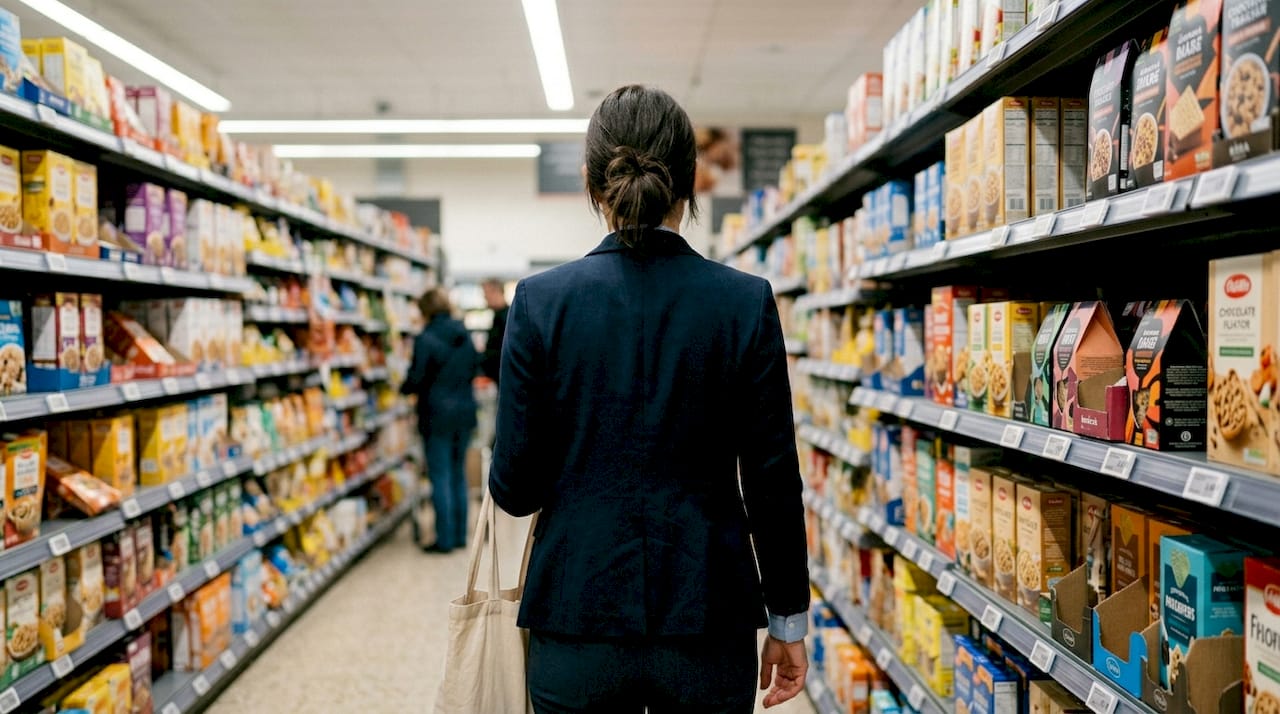
Packaging is the first salesperson your brand ever has, and it works without saying a word. On a shelf packed with competitors, you have roughly three seconds to earn a second look before a shopper moves on. For CPG founders, that pressure is real: the design has to grab attention, signal quality, communicate values, and survive a production budget all at once. For designers, it's a chance to create something that actually moves product, not just wins awards. This guide walks through the criteria, trends, real-world wins, and testing methods that separate packaging that converts from packaging that just looks good in a mockup.
Table of Contents
- Key criteria for evaluating packaging designs
- Five innovative packaging design trends to watch
- Real-world examples of packaging design success
- Head-to-head comparison: PR packaging vs. sustainable design
- How to test and refine your packaging design for real-world success
- What most brands miss: Why packaging success isn't just what you see
- Showcase your packaging genius or discover off-the-shelf inspiration
- Frequently asked questions
Key Takeaways
| Point | Details |
|---|---|
| Visuals drive impact | Bold colors and distinct shapes make packaging stand out on crowded shelves. |
| Test before launch | Iterative testing in real contexts ensures your packaging resonates with buyers. |
| Balance PR and sustainability | Innovative designs can fuel buzz but need responsible end-of-life solutions. |
| Monetize creative ideas | Unused packaging concepts can generate value for both designers and founders. |
Key criteria for evaluating packaging designs
Before you fall in love with a concept, you need a framework to judge it honestly. Strong packaging earns its place by performing across several dimensions at once, not just one.
Here are the five criteria every concept should be measured against:
- Shelf impact: Does it stop a moving eye? Can it hold its own next to ten competitors?
- Sustainability: Is the material recyclable, refillable, or compostable? Does it align with where your customer base stands on environmental values?
- Brand alignment: Does the design communicate who you are without needing a tagline?
- Cost feasibility: Can it be produced at scale without destroying your margin?
- Shareability: Would someone photograph it, post it, or gift it?
Eye-tracking research confirms that color draws consumer attention first, then shape, then text. That hierarchy matters enormously when you're briefing a designer or evaluating a concept. If the color story is weak, nothing else saves it.
Testing should happen in three rounds. First, evaluate the concept in isolation. Second, place it in a realistic shelf context alongside competitors. Third, run a final validation with real consumers before committing to production. Skipping any round is where brands lose money.
For consumer appeal packaging tips, the balance between bold creativity and production reality is the defining tension. A concept that photographs beautifully but costs three times your target unit price is not a solution.
Pro Tip: Use limited-run designs strategically for PR launches, but map out the full lifecycle before you print. A design that generates buzz but creates landfill waste will cost you more in brand trust than it earns in press coverage. Sustainable design importance is no longer optional for brands that want long-term loyalty.
Five innovative packaging design trends to watch
With a solid criteria framework, let's dive into the top innovative design trends disrupting the market right now.
- Limited drops and collectible collaborations. Heineken's Smootheriser campaign is a textbook example of how innovative CPG packaging prioritizes shelf impact, shareability, and cross-category translation. The design created genuine cultural conversation, not just shelf presence.
- Eco-forward materials and refillability. Consumers increasingly expect refillable options as a baseline, not a premium. Brands that bake refillability into the original design earn loyalty that one-time buyers never provide.
- Bold minimalist graphics. Stripping back visual noise to a single strong color field and one clear typographic statement is counterintuitively powerful in a cluttered retail environment.
- Shape-shifting, multi-use containers. Packaging that becomes a storage jar, a planter, or a measuring cup extends the product's presence in a consumer's home long after the original contents are gone.
- AR and digital integrations. Scannable packaging that unlocks recipes, brand stories, or exclusive content turns an unboxing moment into a shareable experience that lives on social media.
The risk with collectible and limited-edition designs is what the industry calls "collectible waste." If the novelty packaging has no second life, it ends up in a landfill with a logo on it. That's a PR liability, not an asset.
Pro Tip: The best cross-category inspiration rarely comes from your own aisle. Study how luxury spirits, premium cosmetics, and artisan food brands approach packaging. The ideas that feel fresh in your category are often standard practice somewhere else. Explore 2026 packaging trends to see how leading CPG brands are already applying these principles.
Real-world examples of packaging design success
Spotting trends is one thing; seeing them executed in real brands makes the insights actionable.
| Brand | Concept | Impact | Sustainability score |
|---|---|---|---|
| Heineken Silver | Smootheriser limited-edition can | Massive PR, high UGC, global press | Low (single-use novelty) |
| Aesop | Refillable amber glass bottles | Cult loyalty, premium perception | High (refillable, recyclable) |
| Glossier | Minimalist pink bubble wrap pouch | Iconic unboxing UGC, brand recognition | Medium (reusable by consumers) |
| Seed Health | Illustrated biodegradable tin | Strong social sharing, repeat purchase | High (compostable, reusable) |
What made each of these work? Heineken leaned into cultural novelty and got the press coverage it wanted. Aesop made the bottle itself a reason to return to the store. Glossier turned protective packaging into a brand icon. Seed Health made sustainability feel premium rather than sacrificial.
The trade-offs are real. Limited-edition drops create PR value but face sustainability scrutiny that can undercut the goodwill they generate. Brands need to decide upfront which trade-off they're willing to own.
"The most dangerous packaging mistake is designing for the photo shoot and forgetting the recycling bin. Novelty earns attention once. Responsibility earns it every time."
Key lessons from these examples:
- Design for the second life of the package, not just the first impression
- UGC (user-generated content) is a measurable outcome worth designing toward
- Premium perception and sustainability are not opposites
For more cost-effective packaging examples, the common thread is intentionality. Every design choice had a reason, and every reason connected back to the brand's core promise. And if you're thinking about repurposing packaging designs from past projects, there's real strategic value in revisiting what already exists.
Head-to-head comparison: PR packaging vs. sustainable design
Real examples spark ideas, but strategy often means navigating tough trade-offs.
| Factor | PR-driven limited edition | Sustainable refillable design |
|---|---|---|
| Buzz and shareability | Very high | Moderate |
| Upfront cost | High (short runs) | Medium to high (material R&D) |
| Lifecycle impact | Low (often single-use) | High (multiple use cycles) |
| Consumer loyalty | Short-term spike | Long-term compounding |
| Brand risk | Sustainability backlash possible | Minimal if executed well |
When to favor each approach:
- New launch or brand awareness push: PR-driven packaging earns attention fast and generates the kind of organic press that paid media can't replicate.
- Legacy SKU or subscription product: Sustainable, refillable design builds the habitual loyalty that keeps customers coming back without a marketing push.
- Mid-tier brand with mixed audience: A hybrid approach, using sustainable materials for the core line and limited-edition runs for seasonal moments, often performs best.
The sustainable trade-offs in packaging are real, but they're manageable with smart design choices. Even a limited-edition run can be designed for recyclability without losing its visual impact.
Pro Tip: If you're going the collectible route, design the secondary use into the package from the start. A canister that becomes a desk organizer, a tin that becomes a seed planter. Novelty PR packaging risks becoming collectible waste when there's no second-life plan. Brands in the food service space can also learn from restaurant sustainability packaging practices that have made reuse feel effortless for consumers.
How to test and refine your packaging design for real-world success
Now that you've decided on a direction, success hinges on how thoroughly you test and refine your concept.
- R1: Isolated concept testing. Show the design on its own, without context. Ask consumers what they think the product is, who it's for, and what it costs. Mismatches here reveal brand alignment problems early.
- R2: Shelf context testing. Place the design next to real competitors on a mock shelf or in a digital shelf simulation. Eye-tracking tools show exactly where attention lands and where it skips. This round often reveals that a design that looked bold in isolation disappears next to a louder competitor.
- R3: Final consumer validation. Run a simulated purchase scenario. Which product does the consumer pick up? Which do they buy? This round confirms whether the design converts, not just attracts.
Three rounds of structured testing are the proven path to packaging that actually performs in the real world. Brands that skip to R3 without doing R1 and R2 consistently overspend on production changes after launch.
Collect feedback systematically. Don't just ask "do you like it?" Ask what the design communicates, what it makes them feel, and whether it changes their willingness to pay. Those answers are actionable. Vague preference data is not.
Pro Tip: The cheapest design changes happen before the file goes to the printer. A one-hour feedback session in R1 can save weeks of reprints. Designers who document their feedback cycles and show iteration history are also far more compelling to founders than those who only show final outputs. Strong design workflow strategies make this process repeatable, not stressful.
What most brands miss: Why packaging success isn't just what you see
Having laid out the practical path, it's worth reflecting on what truly differentiates brands that win the shelf game.
Most brands treat packaging like a finish line. They brief a designer, approve a concept, and move to production. The ones that build lasting equity treat it like a feedback loop. The design is a hypothesis, not a conclusion.
Surface-level trends fade fast when they're not grounded in genuine brand and consumer fit. A bold minimalist design that works for a premium skincare brand looks cold and uninviting on a children's snack. Context is everything, and no trend bypasses that reality.
The brands that consistently win on shelf invest as much in the "why" behind a design as in the visual execution itself. They test early, iterate often, and treat consumer feedback as a competitive advantage rather than a threat to the original vision.
For designers, this is a career differentiator. Founders don't just want to see a beautiful final concept. They want to see the thinking, the iterations, and the evidence that the design was tested against real humans. Showing that process is how you cut design costs for your clients while proving your value at every stage. A great package is as much process as presentation.
Showcase your packaging genius or discover off-the-shelf inspiration
Put these lessons into action as you create, refine, or source your next memorable packaging solution.
Offcut is built for exactly this moment. If you're a designer with strong concepts sitting on a hard drive, this is where they find a brand that needs them. You get paid for work that already exists. If you're a founder looking for print-ready packaging concepts that won't cost you agency rates, Offcut gives you access to original, exclusive designs from talented creators who understand the CPG space.
No gatekeeping. No lengthy agency briefing cycles. Designers can sell your packaging concepts directly to ambitious founders, and founders can explore the Offcut marketplace to find designs that are ready to move from screen to shelf. The connection between creative talent and brand ambition has never been this direct.
Frequently asked questions
What makes a packaging design truly stand out to consumers?
Color catches attention first, followed by shape and then text, according to eye-tracking research. A strong, intentional color story is the single most powerful tool in your packaging arsenal.
Are limited-edition packaging designs worth the investment?
They can generate significant PR and social buzz, but limited-edition drops face sustainability scrutiny that must be weighed against the short-term attention they earn.
How can small brands test new packaging concepts affordably?
Follow a three-round testing process covering isolated concept review, shelf context trials, and final consumer validation. Each round surfaces different problems, and catching them early is far cheaper than fixing them after production.
What's the main risk of trendy PR packaging?
Without a second-life plan, novelty packaging becomes collectible waste that sits in landfills with your brand name on it, which is the opposite of the loyalty you were trying to build.
Recommended
- Packaging design inspiration: cost-effective ideas to boost branding
- Innovative packaging design trends to elevate your brand 2026
- How to repurpose old packaging designs for lasting impact
- Why update packaging design for greater brand impact
- 7 Impactful Business Card Features for Brand Leaders – BcardsCreation