
Packaging design advice from five years ago can quietly kill your shelf appeal today. Many CPG founders still rely on templates and formulas that made sense in a different retail landscape, not realizing those same choices now signal "generic" to consumers who scan shelves in under three seconds. The brands winning in 2026 are not just using better materials or bolder colors. They are treating packaging as a full strategic asset, one that communicates values, builds loyalty, and converts at the point of sale. This article walks you through the most important packaging design trends shaping 2026, with practical direction you can act on immediately.
Table of Contents
- Sustainability and eco-driven materials: Redefining packaging in 2026
- Minimalism, simplicity, and whitespace: Modern aesthetics for shelf impact
- Graphic trends and typography: Visual storytelling that connects in 2026
- Storytelling and personalization: Packaging as a bridge to consumer loyalty
- E-commerce momentum: Packaging innovations for online-first brands in 2026
- Our take: What most CPG brands miss with packaging design evolution
- Enhance your packaging designs for 2026 with OffCut
- Frequently asked questions
Key Takeaways
| Point | Details |
|---|---|
| Sustainability is essential | Eco-friendly packaging now drives both market differentiation and consumer trust. |
| Minimalism boosts appeal | Simple designs with whitespace increase shelf visibility and brand clarity. |
| Storytelling strengthens loyalty | Packaging that shares brand narrative forges lasting connections with consumers. |
| E-commerce needs innovation | Online-first products must integrate digital, sturdy, and branded packaging solutions. |
| Break convention for impact | Brands should challenge industry norms to create memorable, differentiated packaging. |
Sustainability and eco-driven materials: Redefining packaging in 2026
Sustainability is no longer a differentiator. It is a baseline expectation. Eco-friendly packaging is now a strategic imperative for CPG brands competing for shelf space and consumer trust. If your packaging cannot answer the question "what happens to this after I open it?" you are already behind.
Consumers in 2026 are actively reading labels for material sourcing and end-of-life instructions. Brands that make sustainability visible, not just a footnote on the back panel, are seeing stronger repeat purchase rates.
| Material | Compostable | Recyclable | Cost vs. standard |
|---|---|---|---|
| Recycled cardboard | No | Yes | Low premium |
| Compostable bioplastics | Yes | No | Medium premium |
| Plant-based polymers | Yes | Varies | High premium |
| Mycelium packaging | Yes | No | High premium |
Understanding your packaging lifecycle stages is essential before committing to any material. A compostable pouch that requires industrial composting facilities offers little real-world benefit if your target customer lives in a city without those programs.
Key benefits of eco-driven materials include:
- Stronger alignment with Gen Z and millennial purchase values
- Reduced regulatory risk as single-use plastic bans expand globally
- Potential for premium pricing when sustainability is communicated clearly
- Positive press and retail buyer interest in sustainable SKUs
The main risk is cost. Sustainable materials can run 15 to 40 percent more than conventional options, which squeezes margins on lower-priced products.
Pro Tip: Start with one SKU when testing eco-materials. Measure consumer response and margin impact before rolling out across your full line. This limits risk while giving you real data to justify the investment.
Minimalism, simplicity, and whitespace: Modern aesthetics for shelf impact
The instinct to fill every inch of packaging with information, graphics, and claims is understandable. You worked hard on your product and want to communicate everything. But minimalism reduces clutter and enhances brand clarity, and clarity is what converts a browser into a buyer.
| Approach | Visual feel | Best for | Risk |
|---|---|---|---|
| Minimalism | Clean, premium, focused | Wellness, beauty, food | Can feel cold or empty |
| Maximalism | Bold, expressive, layered | Snacks, entertainment, youth | Can feel chaotic or cheap |
Whitespace highlights product features and increases premium perception, which is why luxury and wellness brands have leaned into it for years. The insight most founders miss is that whitespace is not empty space. It is a design tool that directs the eye and signals confidence.
Principles that make minimalist packaging work:
- Lead with one dominant visual element, not three competing ones
- Use a maximum of two typefaces across the entire package
- Let your product name breathe with generous surrounding space
- Restrict your color palette to two or three intentional choices
- Place regulatory text and ingredient lists in a secondary visual zone
Minimalism does not mean boring. Some of the most memorable packaging in 2026 uses a single bold illustration or an unexpected material texture to create impact without visual noise.
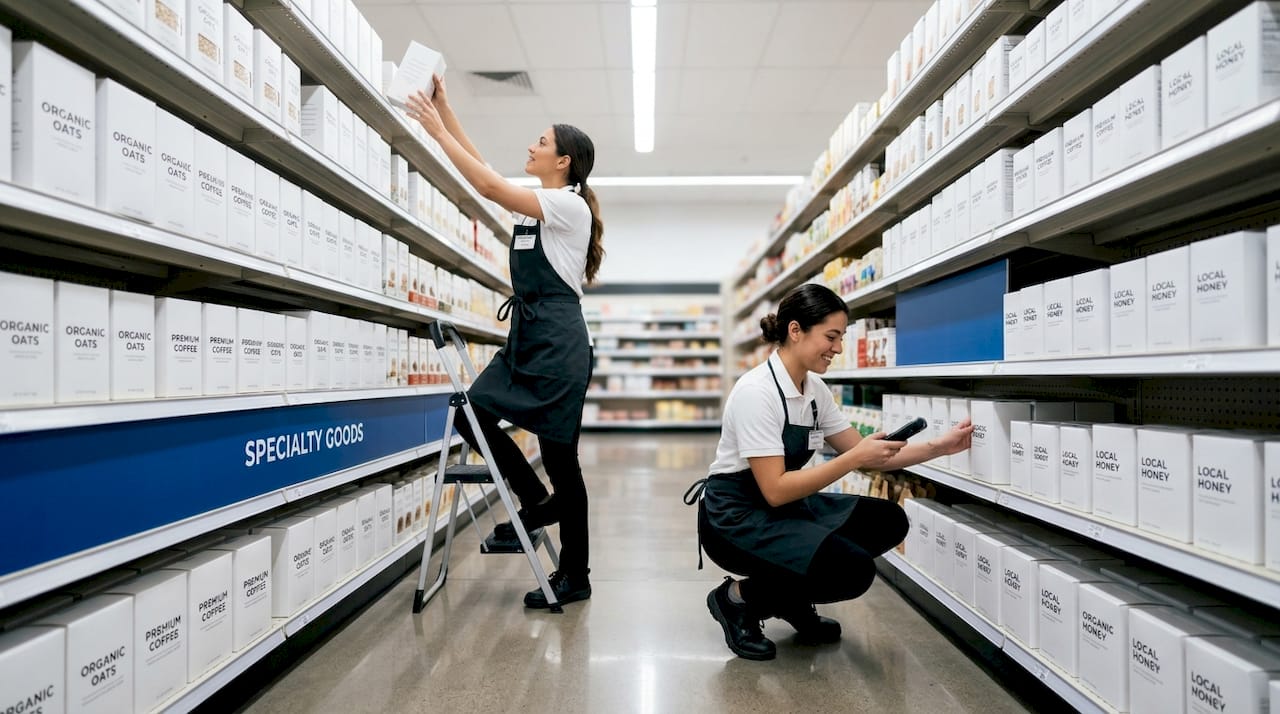
Pro Tip: Before finalizing a minimalist layout, print a physical mock-up and place it next to three competitor products on a shelf. If your eye goes to it first, the design is working. If it disappears, you need more contrast or a stronger focal point.
Graphic trends and typography: Visual storytelling that connects in 2026
Graphics and typography are where packaging design either builds emotional connection or falls flat. The trends moving into 2026 favor authenticity over polish, and personality over perfection.
Emerging graphic directions include hand-drawn illustrations, organic shapes, and imperfect textures that signal craft and human touch. Brands in food, beverage, and personal care are moving away from stock-style imagery toward custom artwork that feels specific to their story.
Typeface choices are shifting toward:
- Serif fonts with personality, not just traditional authority
- Variable fonts that adapt across digital and print formats
- Custom lettering that functions as a logo and a design element simultaneously
- Mixed type scales that create visual hierarchy without extra graphics
Color palettes in 2026 are leaning into earthy neutrals, deep botanical greens, warm terracottas, and unexpected accent colors that create contrast. The goal is emotional resonance, not just visual appeal.
"Typography is the voice of your brand before a single word is read. The weight, spacing, and style of your typeface communicates trust, energy, or calm before the consumer processes the actual text."
Vector graphics in packaging offer flexibility and scalability, meaning your artwork stays crisp whether it appears on a 2-inch label or a full retail display. For founders working across multiple SKU sizes or planning retail expansion, this technical detail matters more than most realize.
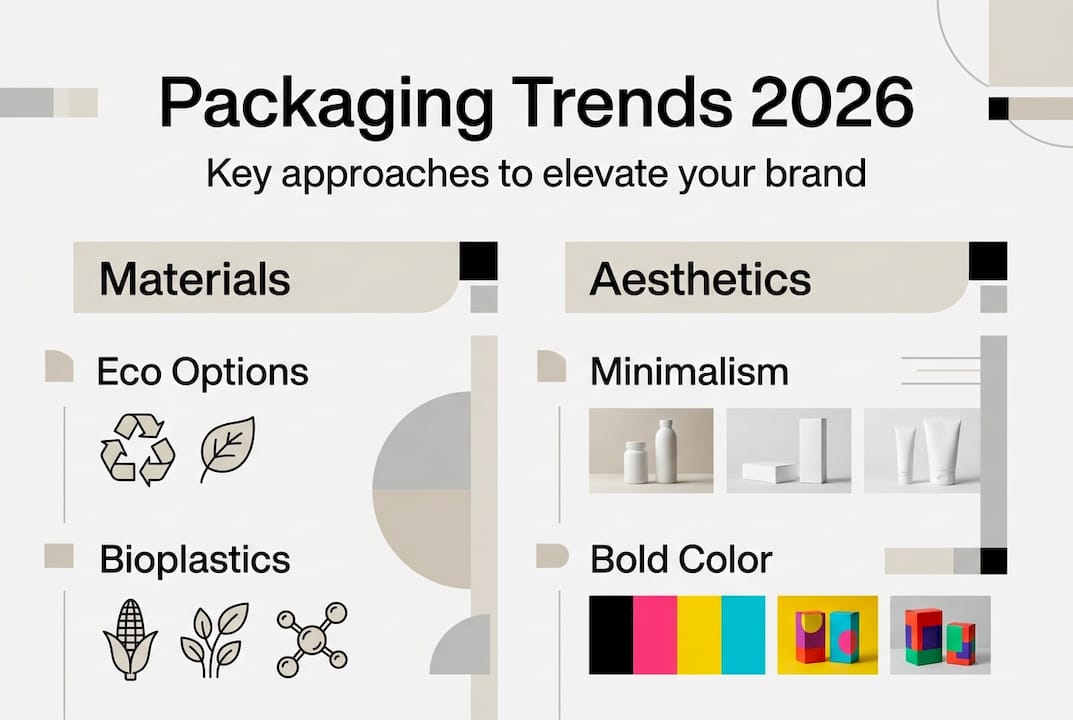
The brands getting graphic design right in 2026 are not chasing every trend. They are picking two or three elements that align with their brand story and executing them with intention. Consistency across your product line is what builds recognition, and recognition is what drives repeat purchase.
Storytelling and personalization: Packaging as a bridge to consumer loyalty
A package that only communicates what is inside is a missed opportunity. Packaging design can fail when it neglects storytelling and consumer connection, leaving brands competing on price instead of meaning.
The most effective packaging in 2026 tells a story in layers. The front panel hooks attention. The side panels reward the curious reader. The inside of the box or lid surprises the buyer after purchase. Each layer deepens the relationship.
Steps to personalize packaging for your customers:
- Define one core brand story and make sure every design element supports it
- Identify your highest-value customer segment and speak directly to their values
- Use limited-edition runs or seasonal variations to create urgency and collectability
- Add a personal touch inside the package, a note, a QR code to a founder video, or a loyalty reward
- Gather post-purchase feedback specifically about the unboxing experience
Concept packaging strategies can enhance product appeal while keeping design costs manageable, which matters when you are testing personalization at scale. Working with a skilled designer in concept creation ensures the story you want to tell actually lands visually.
Pro Tip: Personalization does not require variable printing on every unit. A single well-placed detail, like a handwritten-style font on the inner flap or a customer-facing message on the base of the box, creates a memorable moment that drives word-of-mouth and social sharing.
E-commerce momentum: Packaging innovations for online-first brands in 2026
For brands selling primarily online, packaging is often the first and only physical interaction a customer has with your product. That moment carries enormous weight. A forgettable unboxing experience is a missed retention opportunity.
E-commerce packaging in 2026 needs to solve three problems at once: protect the product in transit, communicate brand identity without a retail shelf context, and create an experience worth sharing. Brands that nail all three build organic marketing into every shipment.
Key innovations shaping e-commerce packaging right now:
- QR codes that link to tutorials, brand stories, or loyalty programs
- Augmented reality triggers printed on packaging that activate digital experiences
- Right-sized packaging that reduces void fill and signals environmental responsibility
- Structural design that doubles as display or storage after the product is removed
- Tactile finishes like soft-touch coatings or embossing that elevate perceived value
A strong step-by-step packaging design process is vital for startup and e-commerce brands that need to move fast without making expensive errors. Skipping structural testing or ignoring shipping simulation data leads to damaged products and costly returns.
Stat to know: E-commerce packaging that includes a branded unboxing experience generates social sharing rates up to 40 percent higher than plain fulfillment packaging, according to industry research on consumer unboxing behavior.
The brands winning in online retail are treating every shipment as a marketing channel, not just a logistics solution. That mindset shift changes every decision, from the tissue paper inside to the return label placement.
Our take: What most CPG brands miss with packaging design evolution
Here is the uncomfortable truth: most brands update their packaging when sales dip, not before. That reactive approach means you are always catching up, never leading. The brands that consistently stand out treat packaging as a living asset, one that gets tested, iterated, and refined based on real consumer feedback, not just internal opinions.
Conventional wisdom says "if it isn't broken, don't fix it." In packaging, that thinking produces safe, forgettable designs that slowly lose relevance as consumer expectations shift. The brands we see breaking through are the ones willing to challenge their own assumptions.
"Innovation in packaging is not about chasing trends. It is about understanding your consumer deeply enough to know which trends actually serve your brand story."
Under-investment in iterative testing is the hidden packaging pitfall that costs brands more in the long run than any single design mistake. Run consumer panels. Test shelf placement. Measure unboxing sentiment. The data will tell you what no internal review can.
Materials, aesthetics, and digital integration all matter. But the brands that win in 2026 will be the ones that connect all three into a coherent, emotionally resonant experience.
Enhance your packaging designs for 2026 with OffCut
The trends covered in this article are real and actionable, but executing on them requires access to great design without the agency price tag or the six-week timeline.
OffCut is where great packaging designs go instead of a hard drive. Founders get exclusive, print-ready concepts at a fraction of agency cost, and designers get paid for work that would otherwise sit unused. Whether you are looking for unused packaging concepts from talented designers or want to explore the OffCut platform to find your next standout design, the library is built for brands that want to move fast and look exceptional. Stop waiting for the perfect brief. Start with a concept that is already done.
Frequently asked questions
What eco-friendly materials are trending for packaging in 2026?
Compostable bioplastics, recycled cardboard, and plant-based polymers are leading the trend toward sustainable CPG packaging. Each option carries different cost and end-of-life implications, so matching the material to your supply chain and customer base matters.
How does minimalism improve shelf impact for packaging?
Minimalist designs with whitespace make product information pop, enhance visual clarity, and attract consumer attention on crowded shelves. Whitespace increases premium perception and signals brand confidence, which influences buying decisions at the point of sale.
Why is storytelling important in packaging design?
Storytelling builds emotional connections and loyalty, transforming packaging from mere product housing into a persuasive brand touchpoint. Packaging that neglects storytelling forces brands to compete on price alone, which is a race most founders cannot win.
What are essential packaging innovations for e-commerce brands?
Strong branding, product protection, and interactive digital elements like QR codes are key for e-commerce packaging in 2026. A structured packaging design process for startups ensures you cover both the functional and experiential requirements before going to print.