
Sustainable packaging design influences over 80 percent of environmental impact before a single package reaches production. Most brand owners believe sustainable packaging means swapping materials for recycled alternatives, but this approach misses the bigger picture. The real opportunity lies in how you design packages from the start, not just what materials you choose. This guide explains why sustainable design matters for CPG brands, how to avoid greenwashing pitfalls, and practical strategies to create packaging that strengthens brand appeal while reducing environmental harm.
Table of Contents
- Understanding The True Impact Of Design In Sustainable Packaging
- Moving Beyond Greenwashing With Precise Sustainability Frameworks
- Practical Strategies For Implementing Sustainable Design In CPG Packaging
- Why Sustainable Design Matters For Brand Appeal And Consumer Trust In 2026
- Explore Innovative Sustainable Packaging Designs With Offcut
Key takeaways
| Point | Details |
|---|---|
| Design stage drives impact | Design decisions determine over 80% of packaging's environmental footprint throughout its life cycle. |
| Process over materials | Sustainable packaging requires a comprehensive design approach, not just switching to eco-friendly materials. |
| Avoid greenwashing | Vague sustainability claims damage consumer trust and require precise frameworks for credibility. |
| Practical reduction strategies | Prioritize reducing size, weight, and layers while optimizing for recyclability and transport efficiency. |
| Consumer demand grows | Transparent sustainable packaging directly influences purchasing decisions and brand loyalty in 2026. |
Understanding the true impact of design in sustainable packaging
Design decisions lock in most of your packaging's environmental footprint before manufacturing begins. When you reduce package size, eliminate unnecessary layers, or optimize structural design, you cut emissions and costs simultaneously. Material selection matters, but how you use those materials creates the real impact.
Switching from virgin plastic to recycled plastic sounds sustainable, but if your package remains oversized with excessive void fill, you miss the larger opportunity. Over 80 percent of environmental impact is locked in at the design stage of packaging. This means your initial design choices about dimensions, weight, and structure matter more than the materials themselves.
Several design factors determine your packaging's environmental footprint:
- Material selection and sourcing practices
- Structural efficiency and weight optimization
- Fill levels and void space minimization
- Transportation efficiency based on package dimensions
- End-of-life recyclability or reusability
Pro Tip: Collaborate with designers early in the development process to identify sustainability opportunities before design constraints lock in. Early collaboration allows you to optimize for both brand appeal and environmental impact without compromising either goal.
Reducing package weight by even 10 percent can significantly decrease transportation emissions across your supply chain. Smaller packages mean more units per pallet, reducing trips and fuel consumption. These changes also lower material costs, creating a business case beyond environmental benefits.
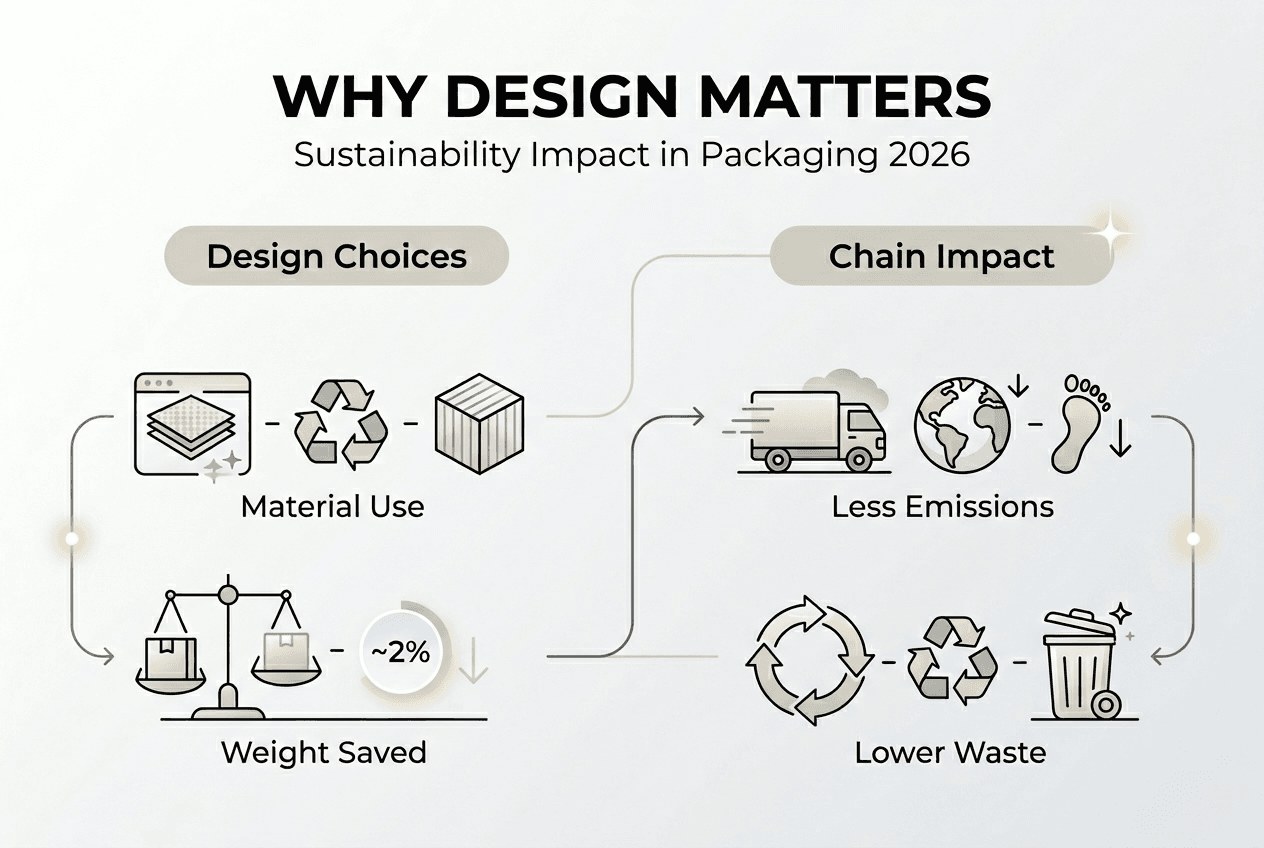
The packaging design tips boost consumer appeal 2026 approach emphasizes that sustainable design and attractive packaging work together, not against each other. Understanding the designers role packaging concept creation helps you leverage design expertise to maximize both sustainability and shelf impact.
Moving beyond greenwashing with precise sustainability frameworks
Greenwashing erodes consumer trust faster than it builds brand credibility. Vague terms like eco-friendly or green packaging mean nothing without specific, verifiable claims. Brands must move beyond vague marketing terms like eco-friendly and adopt more precise frameworks established by governing bodies.
Two major frameworks guide credible sustainable packaging practices. The Sustainable Packaging Coalition (SPC) defines sustainable packaging as a comprehensive process, not a single material choice. The SPC defines sustainable packaging as a process and approach built on 5 principles and SMART design methodology.
The five SPC principles for sustainable packaging:
- Beneficial, safe, and healthy for individuals and communities throughout its life cycle
- Meets market criteria for performance and cost
- Sourced, manufactured, transported, and recycled using renewable energy
- Optimizes the use of renewable or recycled source materials
- Maximizes the use of clean production technologies and best practices
The Ellen MacArthur Foundation emphasizes circular design thinking, where packaging materials continuously cycle through the economy rather than ending in landfills. This framework pushes brands to consider entire systems, not isolated material swaps.
Precise sustainability claims backed by recognized frameworks build consumer trust and differentiate your brand from competitors making empty environmental promises.
SMART design within the SPC framework means Specific, Measurable, Achievable, Relevant, and Time-bound sustainability goals. Instead of claiming your packaging is sustainable, specify that it uses 50 percent post-consumer recycled content and achieves 90 percent recyclability in municipal systems.
These frameworks provide structure for how it works when developing packaging that meets both sustainability standards and market demands. Brands like Pacific Packaging Products demonstrate how precise sustainability commitments create competitive advantages without sacrificing design quality.
Practical strategies for implementing sustainable design in CPG packaging
Reducing package size and weight delivers the most immediate sustainability impact. Every gram removed reduces material consumption, manufacturing energy, and transportation emissions. Prioritize reduce: make packages smaller, lighter, and void-fill free to cut costs, DIM weight and emissions.
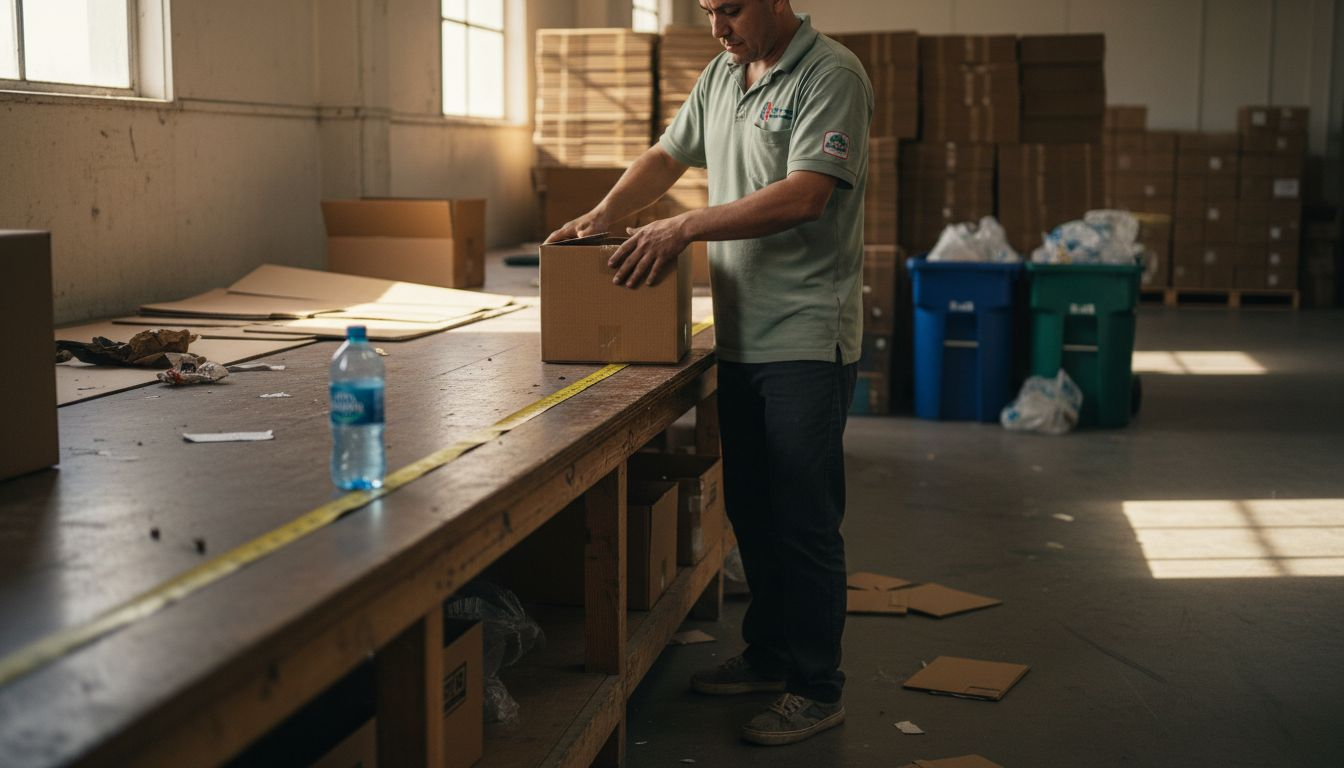
Start by questioning whether your current package size matches product dimensions. Excessive headspace wastes materials and increases shipping costs through dimensional weight pricing. Optimize your structural design to hug product contours while maintaining protection and shelf presence.
Comparing packaging materials helps you make informed choices:
| Material | Sustainability Pros | Sustainability Cons | Recyclability |
|---|---|---|---|
| Cartonboard | Renewable, widely recycled, lightweight | Requires protective coatings for moisture | Excellent in most municipal systems |
| Glass | Infinitely recyclable, inert | Heavy transport emissions, breakage risk | Excellent but energy intensive |
| Aluminum | Lightweight, infinite recycling | High production energy demand | Excellent with high recovery rates |
| PET plastic | Lightweight, established recycling | Petroleum-based, contamination issues | Good in municipal systems |
| PLA bioplastic | Plant-based, compostable | Requires industrial composting facilities | Poor in standard recycling streams |
Key design tactics for sustainable packaging:
- Eliminate unnecessary packaging layers and components
- Optimize shapes for efficient palletization and transport
- Design for refill or reuse systems where product categories allow
- Use mono-materials instead of mixed material constructions
- Minimize adhesives and non-recyclable decorative elements
Pro Tip: Research end-user recycling infrastructure before selecting compostable materials like PLA. If your customers lack access to industrial composting facilities, these materials end up in landfills, negating environmental benefits.
Reusable packaging offers the lowest environmental impact when customers actually return packages for refilling. Recyclable packaging works better for products where return systems prove impractical. Compostable packaging fills specific niches but requires matching infrastructure.
Minimizing void fill reduces both material waste and package size. Right-sized packaging eliminates the need for bubble wrap, air pillows, or paper fill while reducing dimensional weight charges. The how to brief designers for cpg brands 2026 guide explains how to communicate these priorities effectively during the design brief process.
Transport optimization extends beyond package dimensions. Stackability, nestability, and pallet efficiency all influence the environmental footprint of distribution. Design packages that maximize units per shipping container to reduce trips and fuel consumption.
Why sustainable design matters for brand appeal and consumer trust in 2026
Consumers increasingly choose brands based on packaging sustainability. Packaging influences purchasing decisions, with consumers paying closer attention to environmental materials. This shift creates competitive pressure for brands to demonstrate genuine sustainability commitments.
Greenwashing negatively impacts consumer behavior towards eco-friendly purchases. When consumers discover misleading environmental claims, they lose trust in both the specific brand and broader sustainability messaging. This skepticism makes authentic, verifiable sustainability efforts even more valuable.
Consumer behaviors influenced by packaging sustainability:
- Brand switching when competitors offer more sustainable packaging options
- Willingness to pay premium prices for transparent sustainability practices
- Social media sharing of brands with innovative sustainable packaging
- Long-term brand loyalty based on consistent environmental commitments
Cartonboard is the packaging material consumers most believe will be recycled. This consumer perception creates opportunities for brands using paper-based packaging to leverage existing trust while competitors using less familiar materials must educate customers.
Sustainable packaging creates competitive advantages beyond environmental impact. Brands demonstrating genuine sustainability commitments attract environmentally conscious consumers while building resilience against future regulations. Material cost volatility makes efficient packaging design a financial hedge, not just an environmental choice.
Transparent communication about sustainability efforts builds trust even when your packaging isn't perfect. Consumers appreciate honesty about tradeoffs and ongoing improvements more than inflated claims. Share specific metrics like recycled content percentages, weight reductions, or recyclability rates rather than vague environmental statements.
The packaging design tips boost consumer appeal 2026 approach shows how sustainable design enhances rather than compromises visual appeal. Brands like those featured in eco friendly footwear benefits demonstrate how sustainability becomes a core part of brand identity and customer connection.
Long-term brand strength requires aligning packaging with evolving consumer values. Sustainable design isn't a trend to capitalize on, but a fundamental shift in how consumers evaluate brands. Investing in genuine sustainable packaging practices positions your brand for continued relevance as environmental awareness grows.
Explore innovative sustainable packaging designs with Offcut
Offcut connects brand owners with designers who create innovative sustainable packaging concepts. Instead of starting from scratch or paying agency rates, you access print-ready designs that embody sustainable design principles. Designers monetize unused packaging ideas that would otherwise sit on hard drives, creating a marketplace for sustainable innovation.

The how it works process makes sustainable packaging accessible for brands at any stage. Browse exclusive concepts optimized for both environmental impact and consumer appeal, then customize selected designs for your specific products. This approach accelerates time to market while maintaining design quality.
Pro Tip: Leveraging existing sustainable packaging concepts from experienced designers reduces development costs and speeds market response to sustainability trends.
FAQ
What does sustainable design mean in packaging?
Sustainable design in packaging creates solutions that minimize environmental impact throughout the entire life cycle. This includes material sourcing, manufacturing, distribution, use, and end-of-life disposal or recycling. The focus extends beyond material selection to structural efficiency, weight optimization, and recyclability.
How can brands avoid greenwashing in their packaging claims?
Avoid vague terms like eco-friendly or green without specific, verifiable data supporting these claims. Use established frameworks like the Sustainable Packaging Coalition or Ellen MacArthur Foundation principles to guide sustainability efforts. Provide transparent communication about specific metrics, third-party certifications, and acknowledge areas for improvement rather than making blanket environmental claims.
What are the most effective ways to reduce packaging environmental impact?
Prioritize reducing package size and weight as your first step, since this cuts material use and transportation emissions simultaneously. Choose recyclable or reusable materials that match local recycling infrastructure capabilities. Optimize structural design to eliminate void fill, improve stackability, and increase units per pallet for distribution efficiency.
Why is sustainable packaging important to consumers in 2026?
Consumers increasingly evaluate brands based on packaging sustainability and make purchasing decisions accordingly. Transparent, credible sustainability efforts build trust and differentiate brands in competitive markets. One in three consumers switches brands due to packaging concerns, making sustainable design essential for customer retention and acquisition.
Recommended
- Packaging design tips to boost consumer appeal in 2026
- How to brief designers for CPG brands: a 2026 guide
- How designers shape packaging concept creation
- Industries | OffCut — Packaging Designs by Category
- Apparel Trends for Businesses 2026: Workplace Impact
- Design du linge de maison haut de gamme en 2026 – CXL by Christian Lacroix Maison