
TL;DR:
- Design marketplaces drastically reduce packaging design costs and speed up the process for emerging brands.
- They generate diverse concepts, improve consumer engagement, and boost sales performance.
- Success relies on clear briefs, brand guidelines, and active founder involvement in the creative process.
Packaging can make or break a CPG brand on the shelf, yet world-class design has historically cost $10,000 to $50,000 or more through traditional agencies. That price tag locks most early-stage founders out before they even get started. Design marketplaces have changed the equation entirely, giving brand owners access to dozens of print-ready concepts at a fraction of the cost and in a fraction of the time. This guide breaks down the real advantages, shows you how to use these platforms strategically, and backs everything up with hard data so you can make a confident decision for your brand.
Table of Contents
- Why design marketplaces are disrupting CPG packaging
- Key advantages of design marketplaces for CPG brands
- Real-world impact: Marketplaces boost engagement and sales
- When (and how) to use design marketplaces effectively
- Our perspective: Why design marketplaces are leveling the playing field for emerging CPG brands
- Take your packaging to the next level with OffCut
- Frequently asked questions
Key Takeaways
| Point | Details |
|---|---|
| Affordable access | Design marketplaces let CPG founders get high-quality packaging for a fraction of agency fees. |
| Rapid, diverse results | You can receive dozens of design submissions from global talent within days. |
| Proven market impact | Marketplace-sourced packaging boosts consumer engagement, conversions, and sales. |
| Ownership and control | Most platforms ensure you get full rights to winning designs and can quickly iterate. |
Why design marketplaces are disrupting CPG packaging
The traditional agency model was built for big brands with big budgets. You'd brief a single creative team, wait weeks for initial concepts, pay for rounds of revisions, and hope the final result connected with your target shopper. For a startup spending $15,000 on packaging design, that's a serious gamble with no guarantee of results.
Design marketplaces flip that model. Instead of hiring one team, you post a brief and receive submissions from dozens of designers around the world. The competition format means designers bring their best work because they're vying for the prize. You evaluate, give feedback, and select a winner. The whole process is faster, cheaper, and generates far more creative diversity than a single agency can.
The numbers tell the story. Agency packaging projects typically run $10,000 to $50,000 or more, while marketplace contests often start at $299. That's not a small gap. It's the difference between a founder who can afford to test bold creative directions and one who's stuck with whatever the agency delivered on the first pass. Diverse, high-quality packaging at lower costs is exactly what marketplaces deliver.
The brands proving this out aren't obscure. Peet's Coffee, Blume, and Lupii have all used marketplace-style approaches to develop packaging that punches above its weight on shelf. These are brands that needed to look premium without spending like a Fortune 500 company. They achieved that by tapping global design talent through competitive, brief-driven formats.
Here's what's actually driving the shift:
- Cost efficiency: Marketplace contests cost 95% less than full agency engagements on average
- Creative volume: A single brief generates 30 to 100+ distinct concepts, not just two or three agency directions
- Speed: Most contests close in 3 to 7 days, not 3 to 7 weeks
- Global talent: Designers from different cultural backgrounds bring fresh visual languages to your brief
- Risk reduction: You only pay for what you love, not what you're handed
If you're thinking about updating your packaging design or starting from scratch, the marketplace model gives you real creative leverage. And if you're looking for cost-effective packaging ideas that don't sacrifice quality, this is where the conversation starts.
"Design marketplaces have become the most agile and affordable channel for packaging innovation in the CPG space. Founders who use them well are outpacing competitors who are still waiting on agency proposals."
Key advantages of design marketplaces for CPG brands
Once you understand why the model works, the practical benefits become very concrete. Here's what founders consistently report after making the switch.
1. Cost savings that actually matter A marketplace contest can cost as little as $299. A mid-tier agency engagement for packaging design rarely comes in under $10,000. That delta funds product development, paid media, or your next SKU.
2. Volume of creative ideas Marketplace contests yield dozens of submissions with fast turnaround and full IP rights. You're not choosing between two directions. You're choosing the best idea from 30, 50, or 100 concepts.
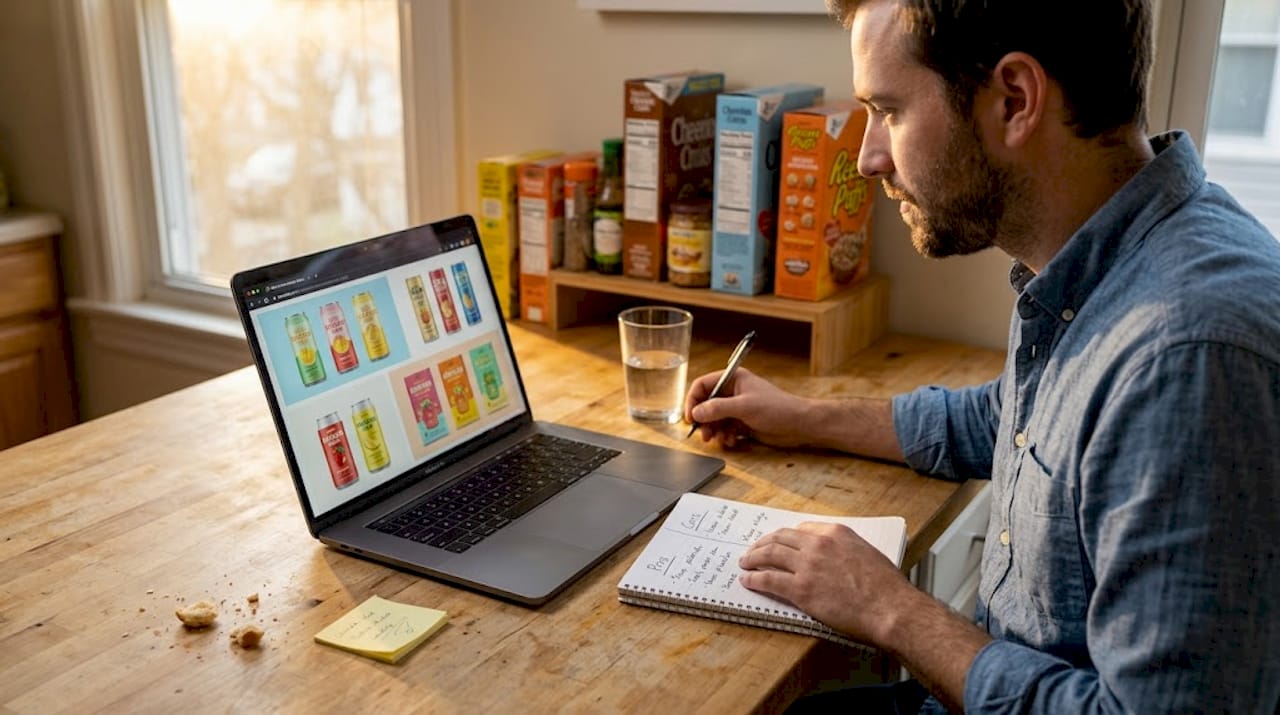
3. Speed to market Most contests run 3 to 7 days. That means you can go from brief to final files in under two weeks. For a brand preparing a retail pitch or a seasonal launch, that speed is a genuine competitive advantage.
4. Full IP ownership You own everything you pay for. No licensing agreements, no agency holding your files hostage, no surprise fees if you want to adapt the design later.
5. Diverse creative perspectives A global pool of designers brings visual references and aesthetic sensibilities you'd never get from a single local studio. That diversity often produces the unexpected concept that actually wins on shelf.
| Factor | Traditional agency | Design marketplace |
|---|---|---|
| Average cost | $10,000 to $50,000+ | $299 to $1,500 |
| Turnaround time | 4 to 12 weeks | 3 to 7 days |
| Number of concepts | 2 to 5 | 30 to 100+ |
| IP ownership | Negotiated | Full, automatic |
| Revision rounds | Limited by contract | Ongoing via contest |
Pro Tip: Write a brief that includes your brand colors, font preferences, competitive shelf context, and a clear description of your target consumer. Designers who understand your shopper produce dramatically better work than those guessing from a vague prompt.
If you're exploring sourcing marketplace designs for the first time, the quality of your brief is the single biggest lever you control.
Real-world impact: Marketplaces boost engagement and sales
Practical benefits are compelling, but what actually happens to CPG brands after they adopt marketplace-sourced packaging? The data is hard to ignore.
Brands that switch to marketplace-designed packaging see 18% lower bounce rates, 23% higher conversions, and up to 12% sales lift compared to their previous packaging performance. Those aren't marginal improvements. A 23% conversion lift on a $500,000 revenue brand is $115,000 in incremental sales.
The mechanism behind these numbers is feedback loops. Marketplace contests naturally create shorter cycles between design concept and consumer reaction. Founders see more ideas, test more directions, and arrive at packaging that resonates with real shoppers rather than what an agency team thought would resonate. The result is packaging that performs, not just packaging that looks good in a presentation.
Consider a snack brand launching a new flavor line. Using a marketplace contest, they receive 60 concepts in five days. They share the top ten with a small group of target consumers before choosing a winner. The selected design goes to print with built-in consumer validation. That process would cost three times as much and take three times as long through a traditional agency, with no guarantee of better results.
The eco-friendly packaging impact data also shows that design choices tied to consumer values, like sustainability cues, can drive significant purchase intent. Marketplace designers who specialize in CPG often bring these signals into their work naturally.
| Metric | Agency-designed packaging | Marketplace-designed packaging |
|---|---|---|
| Bounce rate change | Baseline | 18% lower |
| Conversion rate change | Baseline | 23% higher |
| Sales lift | Baseline | Up to 12% |
| Time to final design | 4 to 12 weeks | 1 to 2 weeks |
Key engagement outcomes brands report:
- Higher shelf pick-up rates in retail environments
- Stronger social sharing of product unboxing and photography
- Better recall scores in post-purchase surveys
- Faster sell-through on new SKU launches
- Reduced return rates tied to packaging expectation mismatch
For founders who want to go deeper on what drives these results, the design tips for consumer appeal breakdown is worth reading before you write your next brief.
When (and how) to use design marketplaces effectively
Marketplaces are powerful, but they're not the right tool for every situation. Knowing when to use them and how to set them up for success separates founders who get great results from those who feel burned.
Brand inconsistency risks can be mitigated with clear briefs and brand guidelines. Marketplaces work best for packaging refreshes and new SKU launches, not full strategic rebrands where you're rethinking your brand architecture from scratch.
"The founders who struggle with marketplaces are usually the ones who post a vague brief and expect magic. The ones who succeed treat the brief like a creative strategy document."
Here's a practical checklist for getting the most out of a marketplace contest:
- Define your objective clearly: Are you refreshing an existing line, launching a new product, or testing a new visual direction?
- Attach your brand guidelines: Colors, fonts, logo usage rules, and tone of voice. If you don't have these, create a one-page summary before you post.
- Describe your target consumer: Age, lifestyle, values, and what they're looking for on shelf.
- Show competitive context: Include images of competing products so designers understand the visual landscape they're designing into.
- Set a realistic budget: Higher prize amounts attract more experienced designers. Don't underprice your brief.
- Give feedback early: Respond to initial submissions within 24 hours to guide designers toward your vision.
- Narrow to finalists before requesting revisions: Don't ask every designer to revise. Select three to five and refine from there.
Pro Tip: Pair your contest brief with a one-page visual brand guide. Even a simple PDF with your logo, color palette, and two or three reference images cuts the number of off-brief submissions by more than half.
For a deeper look at structuring your process, the workflow strategies for CPG packaging guide and the how to source design resource both offer practical frameworks you can apply immediately.
Our perspective: Why design marketplaces are leveling the playing field for emerging CPG brands
Conventional wisdom in the industry has long held that only agencies deliver packaging quality worth putting on shelf. That assumption was never really about quality. It was about access. Big brands had the budgets to hire the best studios, and everyone else made do.
Marketplaces broke that dynamic. A founder with $500 and a clear brief can now access the same quality of creative thinking that a $50,000 agency engagement used to buy. That's not a small shift. It's a structural change in who gets to compete.
What we find most interesting is that marketplaces don't just lower costs. They give smaller brands a kind of agility that large companies genuinely struggle to match. A big brand with agency retainers and approval chains takes months to refresh a packaging line. A founder using a marketplace can test, select, and go to print in two weeks. That speed is a real competitive advantage, not just a cost story.
The risk is real too. Founders who treat marketplaces as a shortcut rather than a tool end up with inconsistent brand visuals. The designers' role in concept creation matters enormously, and the best outcomes happen when founders show up as informed creative partners, not passive buyers. The future of CPG packaging is agile and democratized, but it still rewards founders who lead with clear brand thinking.
Take your packaging to the next level with OffCut
If this article has you thinking about your next packaging move, OffCut is built exactly for this moment. We connect CPG founders with exclusive, print-ready packaging concepts that designers created but never sold, so you get original work at a fraction of what an agency would charge.
Browse the marketplace at OffCut to find concepts that fit your brand right now, or if you're a designer with unused packaging work sitting on your hard drive, you can sell unused packaging concepts and finally get paid for ideas that deserve to be on shelf. No contests, no waiting. Just great packaging, ready to go.
Frequently asked questions
How much does packaging design cost on a marketplace?
Most packaging design contests start at $299 with dozens of submissions included, which is a fraction of what traditional agencies charge for a single concept.
Are design marketplaces suitable for complete packaging rebrands?
Marketplaces are best for packaging refreshes, not full strategic rebrands, because managing brand consistency across a large-scale overhaul requires more strategic oversight than a contest format provides.
How quickly can I get packaging designs from a marketplace?
Most contests generate 30+ designs in 3 to 7 days, with final print-ready files typically delivered within a week of selecting a winner.
Will I own the copyright to the winning design?
Yes. Most platforms transfer full IP rights to you upon payment, meaning you can use, adapt, and print the design without any ongoing licensing fees.
Can design marketplaces deliver consumer appeal?
Absolutely. Data shows brands using marketplace designs see higher engagement and measurable sales gains, largely because the contest format surfaces concepts that genuinely resonate with target shoppers.