
TL;DR:
- Most CPG founders lose their launch timelines due to poor process management, not design quality.
- Implementing a structured packaging collaboration framework with clear roles, tools, and review methods prevents delays.
- Early planning, centralized feedback, and physical proofs are essential for on-time product launches and cost control.
Most CPG founders don't lose their launch timelines to bad design. They lose them to bad process. Feedback scattered across three email threads, a compliance review that lands two days before the print deadline, a designer working from last week's dieline because nobody told them about the updated file. These are the real killers. The good news: a structured packaging collaboration framework eliminates nearly all of it. This guide walks you through exactly how to build that framework, from setting up roles and tools to running parallel reviews and locking final artwork before production.
Table of Contents
- Why packaging collaboration fails: Common pitfalls
- Set up for success: Essential collaboration tools and requirements
- Step-by-step workflow: Aligning and executing with designers
- Verify: Proofing and prepress checks before production
- Founder-friendly collaboration: What really works vs. process myths
- Next steps: Launch impactful packaging with OffCut
- Frequently asked questions
Key Takeaways
| Point | Details |
|---|---|
| Centralize feedback | Use a single artwork review platform with version control to eliminate conflicting comments and reduce confusion. |
| Start with specs | Lock structural inputs like dielines and print specs early to prevent late-stage rework and wasted effort. |
| Parallel reviews | Run independent domain approval steps in parallel to accelerate the timeline and streamline collaboration. |
| Verify with proof | Always review a physical proof before production—digital approval alone misses critical real-world issues. |
| Structured handoffs | Clear stage-by-stage handoffs ensure all stakeholders stay aligned from initial brief to production. |
Why packaging collaboration fails: Common pitfalls
Most early-stage CPG brands treat packaging design like a two-person handoff: the founder sends a brief, the designer sends back files, and everyone figures out the rest as they go. That approach breaks down fast once you add a third stakeholder, which is usually legal, compliance, or a co-manufacturer with their own spec requirements.
Unclear roles create duplicated effort and dropped balls. When nobody owns the review process, everyone assumes someone else is checking it. Founders end up with three rounds of conflicting feedback because the brand manager, the operations lead, and the co-founder all weighed in separately, on different versions of the file.
Scattered feedback is the single biggest time waster in packaging projects. Comments living in email, Slack messages, Google Docs comments, and handwritten notes from a sample review meeting are impossible to reconcile. Designers can't act on contradictory input. Founders can't track what's been resolved. The result is a third or fourth revision round that should never have happened.
Legal and compliance reviews get added too late. This is especially damaging. A packaging design workflow built without structured compliance handoffs from brief to production means that legal sign-off happens after everyone else thinks the project is done. Suddenly you're reprinting labels because a claim on the front panel doesn't meet FDA guidelines, or a country-of-origin statement is missing.
Designers and founders aren't speaking the same brand language. A founder's verbal description of "clean and premium" means something very different to a designer working without a brand guide, color palette, or reference imagery. Without alignment tools and a shared brief, you get packaging that looks technically competent but feels completely off-brand.
"Use a structured packaging design workflow with clear handoffs from brief to production, involving brand, design, and compliance/legal stakeholders."
These pitfalls aren't unique to small teams. They happen at funded brands with full marketing departments too. The difference is that funded brands have the budget to absorb the rework. You probably don't. Check out these packaging workflow strategies to get a head start on structure before your next brief goes out.
Having identified the pitfalls, let's look at what successful packaging collaboration requires from the very start.
Set up for success: Essential collaboration tools and requirements
Before you brief a single designer, you need to establish the infrastructure that makes collaboration functional. Think of this as your pre-flight checklist. Skipping any item here compounds into bigger problems downstream.
Roles every packaging project needs
| Role | Responsibility | Involvement stage |
|---|---|---|
| Founder / brand lead | Approves direction and final artwork | Brief through final approval |
| Packaging designer | Creates and revises all design files | Concept through print-ready |
| Compliance / legal | Reviews claims, labels, and regulatory requirements | Early brief and final review |
| Operations / sourcing | Confirms dieline specs with manufacturer | Pre-brief and physical proof |
| Print production contact | Validates files for press | Pre-production only |
Role clarity isn't bureaucracy. It's the thing that stops two people from making contradictory decisions on the same element at the same time.
Centralized proofing prevents version chaos. When you centralize artwork review so everyone comments on the same source-of-truth version with version control and visual change tracking, you eliminate the most common cause of revision loops. One platform, one file, one comment thread per version.
Dieline and print spec planning must happen before design begins. A dieline is the flat template showing the exact cut, fold, and bleed lines of your packaging structure. Giving a designer a brief without a confirmed dieline is like asking someone to decorate a room before the walls are framed. Your co-manufacturer or printer should provide the dieline spec before any creative work starts.
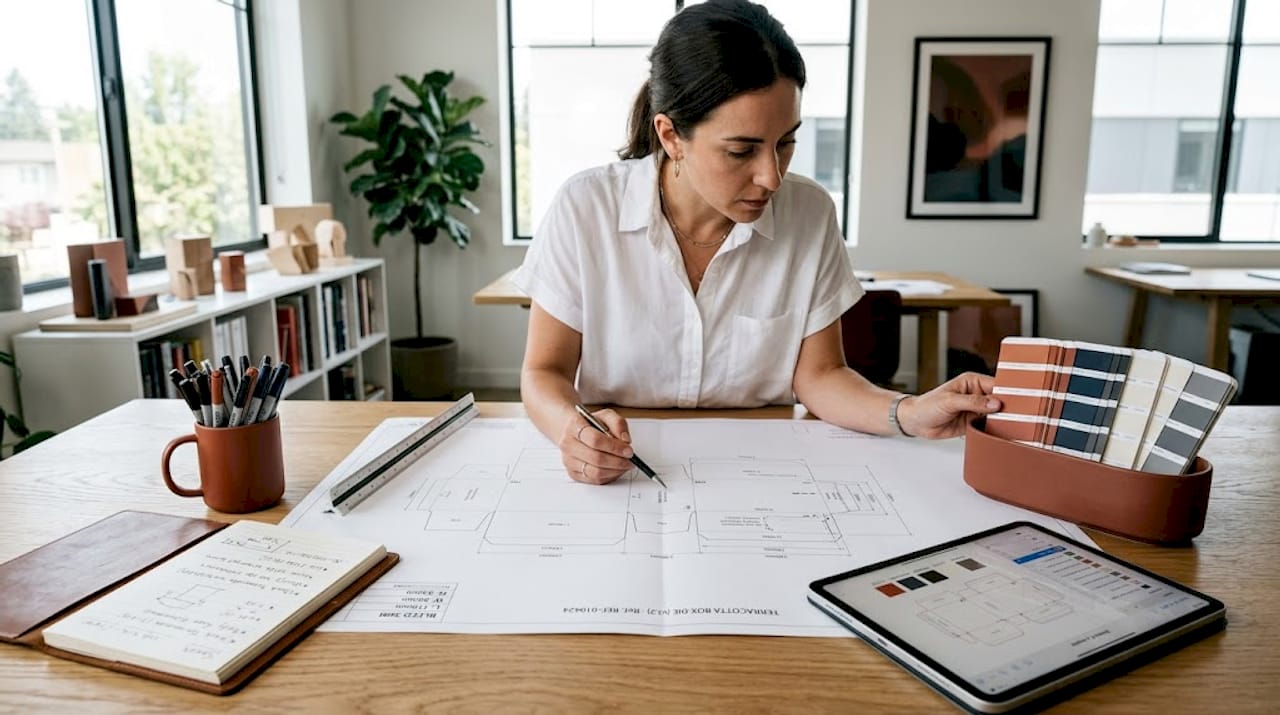
Physical proofs are non-negotiable. A design that looks right on screen can print with color shifts, misaligned panels, or unreadable copy at small sizes. Ordering a physical proof before sign-off is one of the highest-leverage steps you can take. It's covered in more detail in the verification section, but plan for it now.
Pro Tip: Before briefing your designer, build a one-page "packaging brief template" that includes your brand color codes (Pantone and CMYK), confirmed dieline file, required label claims, and legal disclaimers. A designer who receives a complete brief like this can start real creative work on day one instead of spending a week asking clarifying questions.
For founders trying to understand how design assets and portfolios factor into sourcing talent, this designer portfolio workflow resource is worth reviewing. You'll also find that early planning pays dividends in terms of artwork cost savings when you're not paying for rework.
With requirements established, it's time to move into step-by-step workflow design for seamless collaboration.
Step-by-step workflow: Aligning and executing with designers
Here's where most founders either build something that scales or keep improvising. The difference between an efficient project and a chaotic one often comes down to whether you're running reviews in sequence or in parallel, and knowing which one to use when.
Sequential vs. parallel review: Know the difference
A sequential review means reviewer B doesn't see the artwork until reviewer A has signed off. This is necessary when one review genuinely depends on the outcome of another. For example, legal can't approve label claims until the brand lead has confirmed which claims are being made.
Parallel reviews, where genuinely independent domain specialists review simultaneously, cut your timeline significantly. Brand, design, and operations can all review the same version at the same time if their feedback doesn't depend on each other's decisions. Use this wherever possible.
| Review type | Best for | Risk if misused |
|---|---|---|
| Sequential | Compliance depends on brand direction | Adds weeks to project timeline |
| Parallel | Independent specialist checks | Conflicting feedback if reviews aren't truly independent |
The execution workflow, step by step
- Confirm your dieline and print specs with your manufacturer before the brief goes out. Don't let design start on an assumed box size.
- Write and share a complete creative brief that includes brand guidelines, required legal copy, target consumer, retail context, and competitive references.
- Brief the designer and align on milestones including concept presentation, revision rounds, and the physical proof stage.
- Run parallel reviews for brand, operations, and compliance as soon as the first concept is ready. Assign each reviewer a role-specific checklist so feedback stays in their lane.
- Consolidate feedback centrally before sending anything back to the designer. One consolidated set of comments per round, not three separate emails.
- Order a physical proof at the penultimate stage. This is a milestone, not an optional step.
- Run final sequential sign-off for compliance and legal on the print-ready file after physical proof review is complete.
Building your print-ready design essentials checklist early means your designer knows exactly what file format, color mode, bleed settings, and resolution are required before they start, not after the artwork is complete. For a more detailed look at the full process, this step-by-step design guide for startups covers each milestone thoroughly.
Pro Tip: When you consolidate feedback before sending it to your designer, have one designated "feedback owner" who resolves conflicts between stakeholders internally. This person sends a single, clear direction to the designer. It cuts revision rounds in half.
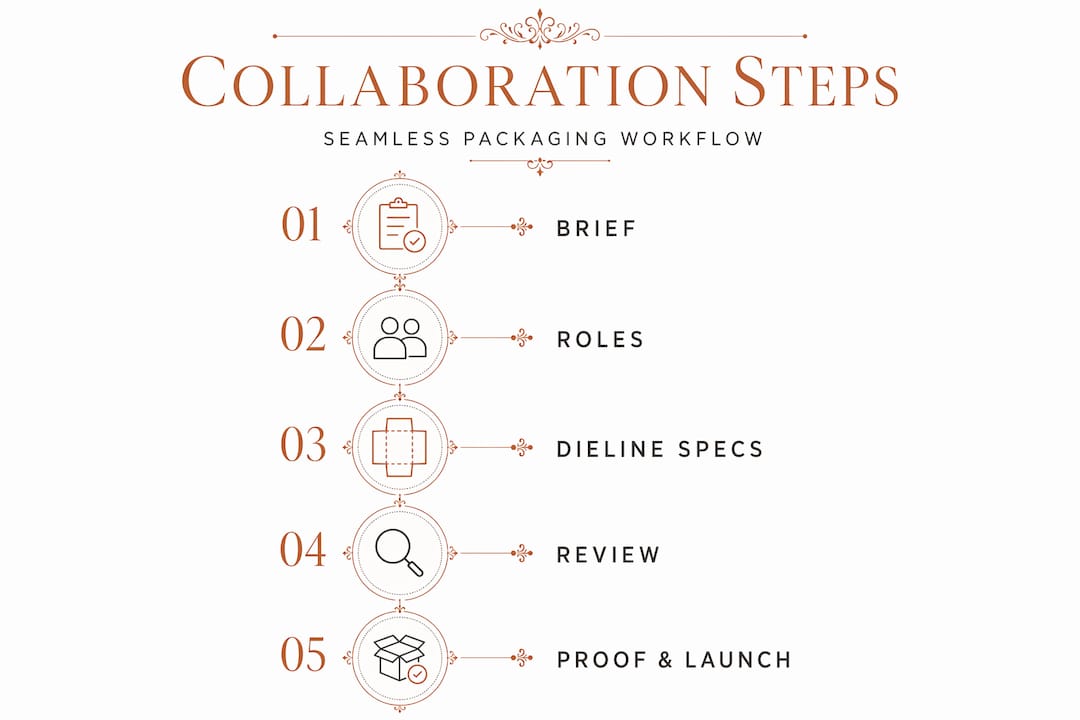
Early alignment on dielines and print specs, including ordering a physical proof, is what separates brands that launch on time from brands that spend two weeks before their retail deadline reprinting corrected files.
Once collaboration is underway, the next crucial step is validating and verifying before production.
Verify: Proofing and prepress checks before production
You've done the creative work. The design looks great on screen. Everyone has approved their section. Now is exactly when most CPG founders make the mistake of moving straight to production. Don't.
Request print-ready files and confirm specs with your printer before sending. A print-ready file means the artwork is in the correct color mode (usually CMYK, with Pantone spot colors called out if needed), at the right resolution (typically 300 DPI minimum), with correct bleed and trim marks, and fonts embedded or outlined. Ask your printer for a spec sheet and check the file against it line by line.
Insist on a physical proof review. This is the step that catches issues no digital file review will ever catch. Color rendering on actual substrate, legibility of small copy at real size, how the structure folds and presents on shelf. A physical proof exposes all of it. Early alignment on print specs and ordering a physical proof are the clearest predictors of whether a brand will need late-stage rework.
Audit your version history for sign-offs. Before the final file leaves your hands, confirm in your centralized review platform that compliance, legal, and the brand lead have all signed off on the current version. Not a version from three rounds ago. The current one.
Lock final artwork before production handoff. This sounds obvious, but it isn't. A "quick text change" requested after lockdown can reset the entire prepress process. Set a hard lock date in your project timeline and communicate it early. Late changes cause rework, and rework costs time and money you don't have.
Stat to know: Artwork errors and late-stage design changes are among the leading causes of packaging project delays and cost overruns for small brands, with rework often costing more than the original design work itself.
Pro Tip: Create a physical "launch readiness checklist" that lists every required sign-off by name and role. Don't send artwork to production until every box on that list is checked. This single document has saved brands from discovering a missing compliance approval only after their first production run is already on press.
For a practical guide to adapting packaging templates to avoid common prepress errors, the template adaptation guide gives founders a clear framework for working within manufacturer-provided structures without sacrificing brand integrity.
With verification steps clear, founders are poised to avoid typical rework and waste. Now let's look at what this all looks like in practice.
Founder-friendly collaboration: What really works vs. process myths
Here's what we've seen consistently across the brands that nail their packaging launches on the first try: they treat process as a creative tool, not a constraint.
The myth most founders believe is that adding structure slows things down. In reality, the opposite is true. The chaotic, "fast and loose" approach feels faster in week one and then costs you three extra weeks by week four when you're reconciling conflicting feedback and re-explaining the brand vision to a designer who received four different directives from four different stakeholders.
Sequential review is much slower than founders expect. Every time you add a sequential dependency that doesn't actually need to be sequential, you add a minimum of two to three business days to your timeline per reviewer. Run the math across a six-reviewer project and you've added two weeks for no reason. Use parallel review aggressively for any check that is genuinely independent.
Centralization isn't just about managing files. It's about managing brand decisions. When every stakeholder comments on the same version of the artwork, you're building a documented record of every decision made. That record is what you reference when someone asks three months later why a certain claim was removed from the front panel or why the color shifted between SKUs. Process creates institutional memory that lives beyond any one person's inbox.
Ordering a physical proof is the single most underrated step in the entire process. We've seen brands skip it to save a few hundred dollars and then spend four to five times that amount reprinting corrected stock. No software platform catches the things a physical proof catches. It's not optional.
Founders can run tight, professional collaboration workflows even with small teams. You don't need an agency retainer or a project management tool with a six-figure license. You need clear roles, one centralized review location, a confirmed dieline, and the discipline to consolidate feedback before it goes back to your designer. That's the framework. The tools are secondary.
Thinking carefully about how you source packaging design from the start sets the tone for how efficiently the entire project runs. Brands that start with a clear sourcing strategy and brief tend to get better creative output and fewer revision cycles.
With a practical perspective in mind, here's how OffCut can help you translate these collaboration wins into successful launches.
Next steps: Launch impactful packaging with OffCut
Building a clean collaboration workflow is only half the equation. You also need great creative to work with from day one.
At OffCut, we built the platform specifically for CPG founders who need print-ready packaging concepts without the agency timeline or the agency price tag. Every concept in the OffCut marketplace is created by experienced packaging designers and is ready to go through your review workflow exactly as described in this guide. For designers, OffCut is the place to sell unused packaging concepts that would otherwise sit on a hard drive after a client project wrapped. For founders, it means you can start your collaboration process with polished, production-calibrated artwork instead of a blank brief. Less time briefing from scratch, more time moving through your review stages and getting to shelf.
Frequently asked questions
How do I avoid conflicting feedback from multiple stakeholders?
Centralize artwork review so everyone comments on the same source-of-truth version, using version control and visual change tracking. Designating one feedback owner to consolidate input before it reaches your designer eliminates most conflicts before they start.
When should I involve legal or compliance in packaging design?
Bring legal and compliance in early, during the brief stage, and run their review in parallel with brand and design wherever their checks are genuinely independent of each other. Waiting until the end is the most common cause of last-minute launch delays.
What's the biggest cause of late-stage packaging delays?
Failing to align on dielines and specs early, and skipping physical proof review, are the clearest predictors of last-minute rework. Both are avoidable with upfront planning.
Which workflow is faster: parallel or sequential review?
Parallel review is significantly faster when checks are genuinely independent. Sequential review is only necessary when one approval decision directly affects what the next reviewer needs to evaluate.